
Overview:
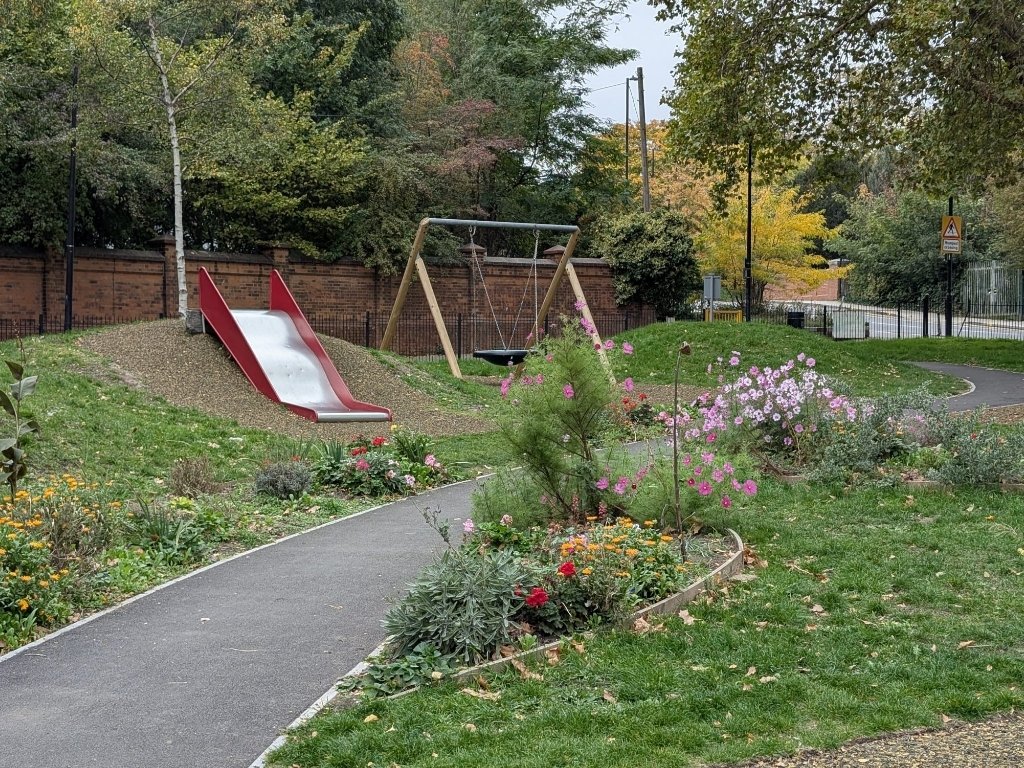
Marlborough Highways has worked in partnership with Haringey Council and the designer Muf Architecture to enhance Caxton Gardens in Wood Green. The innovative scheme involved pioneering construction techniques with the use of specialist materials, resulting in a reduced flood risk and a space that is more attractive and more welcoming for the community.


The Challenge
Caxton Gardens is a pocket park in the London Borough of Haringey, surrounded by residential streets. With grass and trees set upon uneven ground, substantial flooding was taking place in and around the area. The section at the junction of Parkland Road and Tower Terrace was at particular risk because of a steep gradient where the verge meets the carriageway, with the frequent need to close the road after heavy rain. A long-term, cost-effective and sustainable solution was needed that would reduce the volume of water running on to the road, while creating a more inviting and accessible site for the community to enjoy.
The Solution
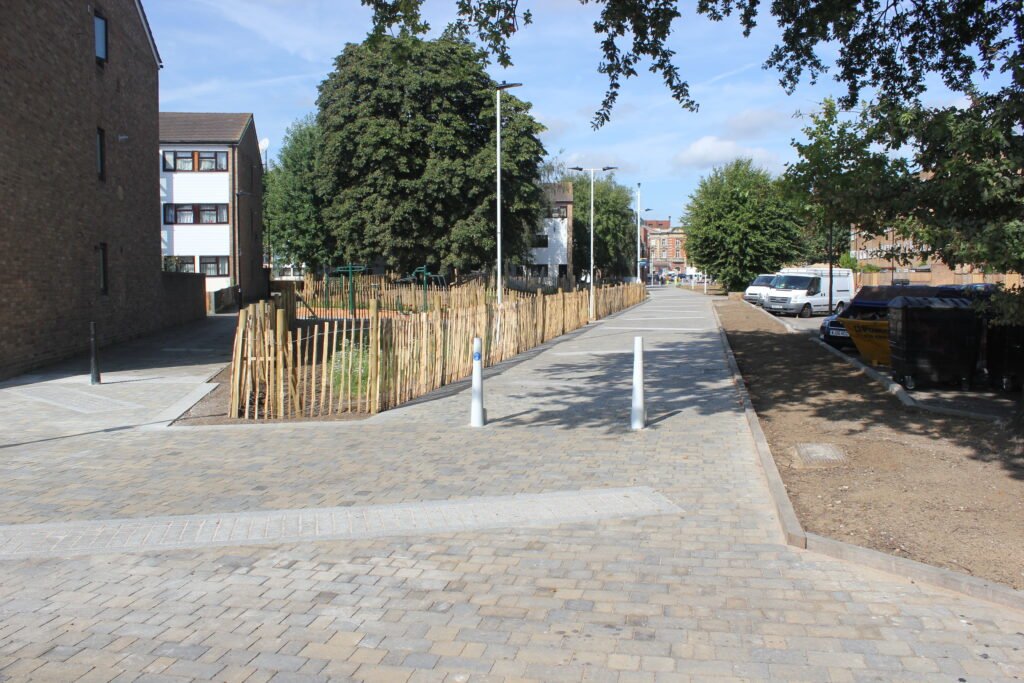
Co-designed by Muf Architecture on behalf of Haringey Council and delivered by Marlborough, the scheme was divided into two main phases. The initial works to install paving, construct a rain garden and build a retaining wall, took place between November and March. Meanwhile, the construction of a raised pedestrian crossing point, further footway works, and the installation of a bespoke Sustainable Drainage System took place between June and August.
Decorative paving made from concrete moulds that has the appearance of granite stone was chosen. Constructed in permeable layers, the sub-base was made of a specialist ‘no fines’ material that does not seal and allows water to pass through. Meanwhile, the slabs themselves were laid on a specialist limestone bedding grit, rather than on sand and cement, so that liquid can drain. Finally, the jointing applied between the slabs was a fine 1-3mm limestone grit, letting water pass from the surface and down through the layers.
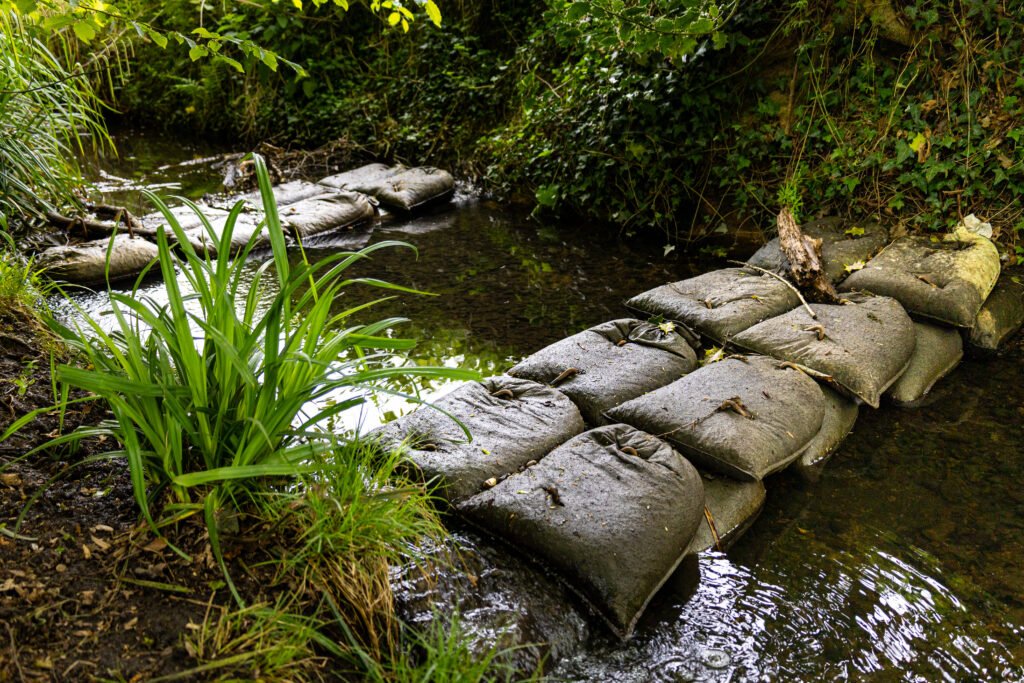
Plastic beams were used to create weirs, which carry water from high points and channel it to the verge, where it is naturally absorbed. Made from 100% recycled plastic, which itself can be recycled, the beams have the appearance of real wood, so compliment the local environment. Yet the material is strong, durable, and flexible, which has allowed Marlborough and Muf Architecture to purpose the product in this pioneering way.
The project now complete, rainwater is being filtered on to soft landscaping, rather than going into the main sewer, with the enhanced features reducing flood risk, while helping to create a greener site through improved irrigation.
Fact File
Client Haringey Council
Date November 2022 – August 2023
Duration 9 months
Value £390,000
Project
- Installation of specially made forded steel rills and bearer beams
- Fitting of bespoke, recycled plastic beams to create dams and weirs
- Berms and a swale were created in a soft landscaping area
- Construction of a rain garden
- New, decorative paving installed
Team
- 1 full time Project Manager
- 1 Site Foreman
- 1 Supervisor
- 4 Marlborough Operatives across all trades
Client savings
- The granite setts used to build the wall were recycled, resulting in cost-savings and fewer construction emissions. They were created from a mixture of existing setts, setts purchased as reclaimed stone, and from setts dug up from the channels in the carriageway.
- While a temporary road closure on Tower Terrace was required, the surrounding streets remained open to traffic throughout the works period, with minimal disruption caused to vehicle users and cyclists.
- The recycled plastic HAHN beams had never been used in this way before. Marlborough worked with the Council and the designer to devise a solution that was unique to the scheme, with specialist construction techniques developed during the process.

















“One of the things I value most is their very collaborative and transparent team culture. It makes a big difference to have a contractor that wants to work closely with us and is supportive and responsive. With Marlborough, I get a team who are attentive, work collaboratively and honestly with me and don’t lose focus on delivering first class communications and compliance.”
“From the design stage, Marlborough has been fundamental in delivering the Broad Lane Square improvements scheme. During the works, not only did the team manage to keep to the programme, but they went the extra mile to ensure attention to detail and came up with innovative solutions to address issues encountered on site. My thanks on behalf of Haringey goes out to Marlborough for their dedication to deliver.”
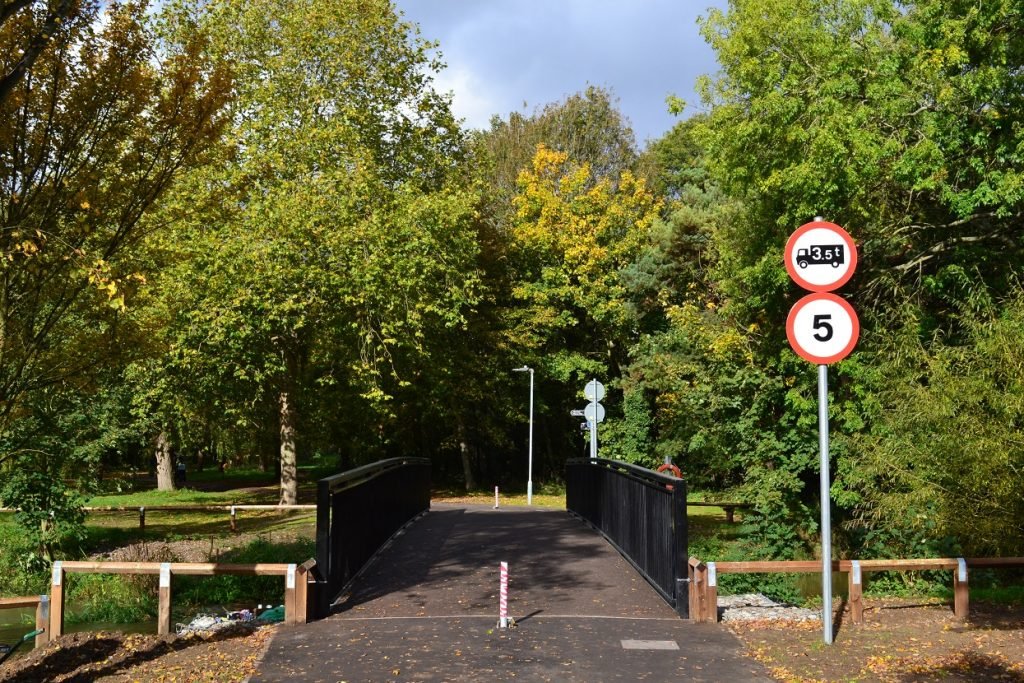
“Working alongside our Term Service Contractor Marlborough Highways, we successfully completed renovations to the Crowstone Footbridge. The designs were provided by Marlborough, and the work was unique. The scheme was completed to budget and ahead of its programme duration.”
“I would like to thank you and your team for your efforts, the Marlborough crews were professional, courteous, and hard working all day and ensured the event went without a hitch. You and the team were a credit to the company, demonstrating commitment and support to the London Borough of Barking and Dagenham.”
“I just wanted to say what a pleasure it has been to work with Marlborough Highways over the last six months. The quality of work is superb, and there has been some excellent collaboration between Milestone and Marlborough to complete, what at times, has been quite a challenging scheme. I hope to work with Marlborough on another project in the near future.”
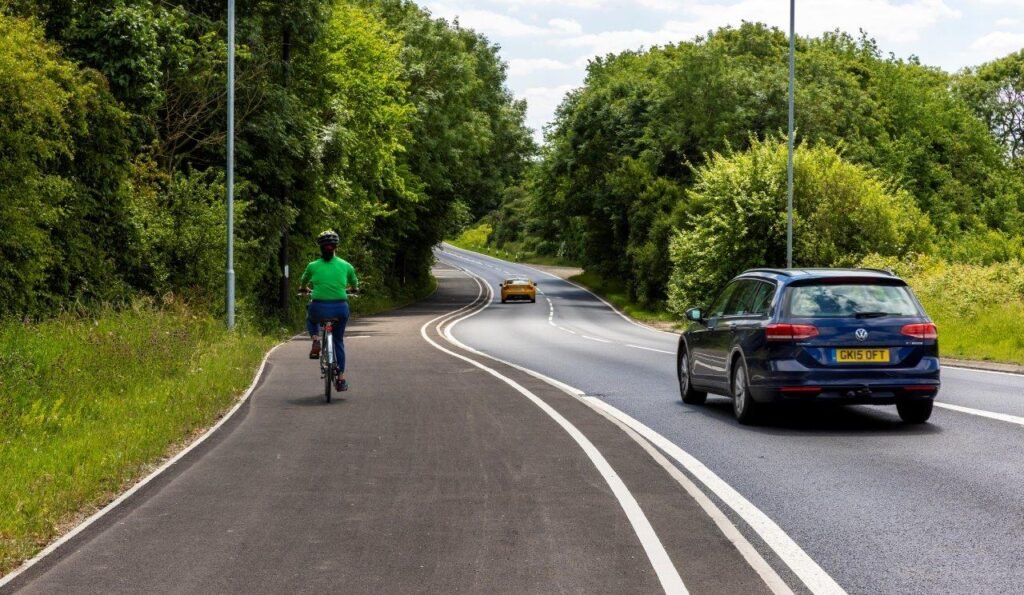
“Marlborough worked with us in constructing a 1.3km cycle track. There were a number of technical difficulties to overcome, and their gifted foreman worked to propose some innovative solutions to the challenges we faced. The result is a facility that the locals are proud of, providing walkers and cyclists with alternative access to the hospital and nearby school. The scheme was a lot of hard work, but well worth it.”
“Marlborough attracts people who take care and have pride in their work. Several gangs of Operatives worked tirelessly for six months to reconstruct drainage networks, lay more than 3km of high quality bespoke granite kerbs and granite channels blocks to ensure positive drainage. The technical compliance, attention to detail and level of quality finish along the entire carriageway was exceptional”.
“We saw huge benefits in appointing Marlborough as our full service contractor and we’re impressed – they’ve delivered consistent high quality service and superior quality control across every project. Marlborough, provide us with a ‘one-stop’ shop solution – we get the same quality of service and better control across all aspects of the project.”
Please see our privacy notice for more information on how Marlborough Highways Ltd take care of your details.