
Overview:
The regeneration of the Park View Road underpass and its immediate surroundings represents a significant enhancement to the public realm. Commissioned by Haringey Council, the Colour Way scheme has revitalised the Tottenham site, creating a safer, more welcoming environment for the community to enjoy. Working in partnership with the Council, Marlborough transformed this important pedestrian and cycle route come civic space, ensuring the location now reflects the pride and identity of the local area.


Challenge
The Park View Road underpass in the London Borough of Haringey had faced several challenges over time, which impacted the overall experience for those who used it. While it provided vital access, connecting the local community to nearby destinations such as Tottenham Marshes and the Harris Academy Tottenham Sports Hall, the structure had become somewhat neglected. The underpass suffered from poor drainage, occasional flooding, and a general lack of upkeep, which made it less inviting. Additionally, the adjacent public realm had fallen into disrepair, with spaces affected by graffiti and a general sense of decline, which diminished the area’s appeal, and pride within the neighbourhood.
Given the site’s central location and heavy footfall, especially from students and train users, there was a real opportunity to reimagine the space as a functional and vibrant part of the community. However, this required careful planning and a collaborative effort, with a variety of stakeholders, including Haringey Council, Network Rail, and Transport for London (TfL), having a vested interest. The project’s complexity was further increased by the logistical challenges of accessing the site, with the need to work around underground utilities and in close proximity to live rail lines.
Marlborough worked alongside Haringey Council and the Council’s chosen design agency to bring the vision for the site to life. The goal was to address the existing issues while creating a public space that would be both practical and inspiring, offering long-term benefits for residents, commuters, and visitors to the area alike.
Solution
Marlborough liaised with Haringey Council to refine and build upon the initial plans, ensuring that the design not only addressed existing issues but also introduced elements that would foster civic pride and instil a sense of shared ownership amongst local people. To ensure the site remained secure during construction and to provide a safe environment for operational staff and the public, timber hoarding with gates was installed around the works area throughout.
The improvements covered a 750sqm site, divided into three distinct areas: the marshes side, the underpass, and the wider plaza. Access constraints made parts of the site particularly challenging to work on. The marshes side was not served by road, and the underpass was too narrow for larger machinery, requiring much of the work to be completed with hand tools. In contrast, other sections allowed for the use of high-performance plant, including excavators.
Underpass Works:
One of the key concerns was the water leakage within the underpass, which had impacted the functionality of the space. Marlborough’s team introduced a well-planned drainage solution, including a permeable sub-surface and catch pits to direct water to local drainage systems, significantly reducing the risk of flooding. The underpass’s worn tiles were repaired, footways were relaid, and new lighting was installed to improve both safety and visibility. The interior of the underpass, which spans 170sqm, was carefully worked upon by hand, with over 110 tonnes of material removed to prepare the space. To ensure durability and to create a modern, clean aesthetic, the team used Chartres Charcoal paving, which is both robust and visually appealing. During the works, high-voltage cables just 200mm beneath the surface posed a significant challenge. Marlborough’s team employed their expertise and strict protocols to work around these utilities, ensuring the project was delivered safely and efficiently.
Public Realm Works:
Marlborough’s team removed a retaining wall, constructed new stepped access with reinforced concrete, and created a seamless transition between the plaza and the adjacent areas. Block paving in Purbeck tones was laid, featuring creative patterns that added character and practical functionality. The steep gradient of the public realm required meticulous planning and craftsmanship to ensure that the layout was both accessible and aesthetically pleasing. Steps were cast on-site, and the paving was carefully fitted to accommodate the sloped terrain while maintaining visual consistency. This intricate work demanded exceptional attention to detail and collaborative team work to achieve a smooth and cohesive finish.
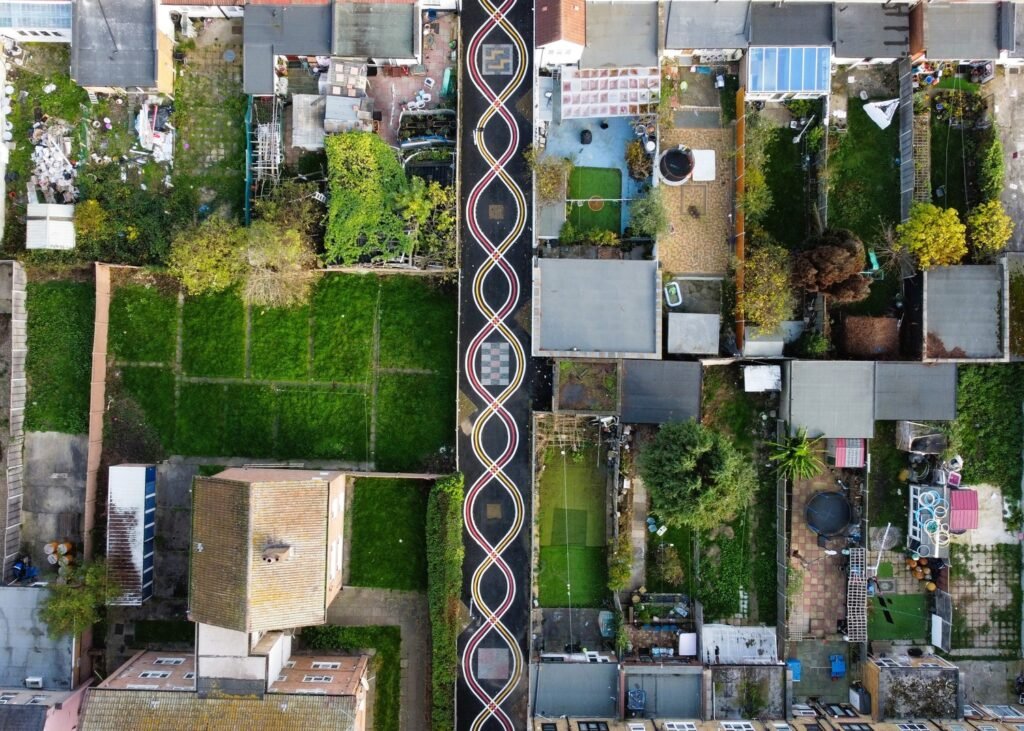
Raised SuDS planters were built and planted on-site, bringing greenery into the space, while new handrails, bollards, and a resurfaced road improved safety and accessibility. A standout feature of the project was the addition of distinctive murals created by the local artist Albert Agwa, which introduced bold colours and a strong sense of community identity. Marlborough provided practical support to ensure the artist could work efficiently, coordinating access to the site and assisting with the preparation of surfaces to achieve the best results.
Fact File
Client Haringey Council
Date July – October 2024
Duration: 12 weeks
Value: £500,000
Project
- Underpass works
- Delivered complex drainage works
- Repaired damaged tiles
- Relayed footways with Chartres Charcoal paving
- Improved lighting
- Wider public realm works
- Excavated a 750 sqm site
- Removed a retaining wall
- Intricate block paving
- Introduced stepped access including new handrails
- Built and fitted raised planters
- Delivered road surfacing and lining works
- Fitted large artwork installations
Team
- 1 full time Project Manager
- 1 full time Commercial Manager
- 6 x skilled Operatives across a variety of trades
Client quotes
“The high standard and delivery of the works on the Colourway Project has caused quite a stir amongst member colleagues in a positive way.”
Cllr Ruth Gordon,
Cabinet Member for Housebuilding, Placemaking and the Local Economy,
Haringey Council
“The quality of the design and delivery, and the complementary stunning mural art piece, have been commented on several times. The finished results have exceeded all expectations, which is a testament to the quality of the design, delivery and project management team. I’d like to take this opportunity to thank all members of the team involved in delivering the project. It’s been a long journey, but a pleasure working with you and hugely rewarding to see the stunning outcome of our endeavours.”
Sorwar Ahmed,
Client Lead in the Regeneration Team,
Haringey Council
“It has been a pleasure working with Marlborough Highways in partnership to deliver the Park View Underpass project. Marlborough’s workforce and management have shown dedication, skill, and innovation to construct the scheme, and overcome all challenges. They ensured that inconvenience during the construction phase was minimised, there was good liaison with third parties, and Marlborough have delivered a great product. This has resulted in significant benefit to the Tottenham Hale residents and users of Park View Underpass.”
Colin Payne,
Lead Engineer on the Colourway Project,
Haringey Council
Results
The revitalisation of the Park View Road underpass and surroundings has transformed the location into a beautiful and welcoming environment that residents can be proud of. The new drainage system, improved paving, and enhanced lighting have made the area safer and more attractive, while the addition of greenery and public art has brought a sense of community spirit and connection to the public realm. By addressing the neighbourhood’s needs and by incorporating creative design elements, the project has successfully reimagined an important local site. The scheme stands as a testament to the positive impact of thoughtful, collaborative regeneration and the ability of design to bring people together in shared spaces.
Trialling sustainable technology
During the regeneration scheme, Marlborough trialled two TCP-Zallys Battery Dumpers as part of the company’s commitment to sustainability and innovation. The electric wheelbarrows allowed crews to work in the underpass in a fumes free environment, despite being in an enclosed space. Weighing in at 122 kg, each unit is simple to operate, highly manoeuvrable, and provides the power one would expect from a much larger engine powered machine. Offering a load capacity of 500 kg, a run time of up to eight hours, and a top speed of 5.5 kph, they proved to be dependable and reliable during the Colour Way scheme, with positive feedback from the operatives who tested them. Not only did the state-of-the-art equipment help the team work more safely, but it also cut the project carbon footprint, and to reduced local noise pollution.















“One of the things I value most is their very collaborative and transparent team culture. It makes a big difference to have a contractor that wants to work closely with us and is supportive and responsive. With Marlborough, I get a team who are attentive, work collaboratively and honestly with me and don’t lose focus on delivering first class communications and compliance.”
“From the design stage, Marlborough has been fundamental in delivering the Broad Lane Square improvements scheme. During the works, not only did the team manage to keep to the programme, but they went the extra mile to ensure attention to detail and came up with innovative solutions to address issues encountered on site. My thanks on behalf of Haringey goes out to Marlborough for their dedication to deliver.”
“Working alongside our Term Service Contractor Marlborough Highways, we successfully completed renovations to the Crowstone Footbridge. The designs were provided by Marlborough, and the work was unique. The scheme was completed to budget and ahead of its programme duration.”
“I would like to thank you and your team for your efforts, the Marlborough crews were professional, courteous, and hard working all day and ensured the event went without a hitch. You and the team were a credit to the company, demonstrating commitment and support to the London Borough of Barking and Dagenham.”
“I just wanted to say what a pleasure it has been to work with Marlborough Highways over the last six months. The quality of work is superb, and there has been some excellent collaboration between Milestone and Marlborough to complete, what at times, has been quite a challenging scheme. I hope to work with Marlborough on another project in the near future.”
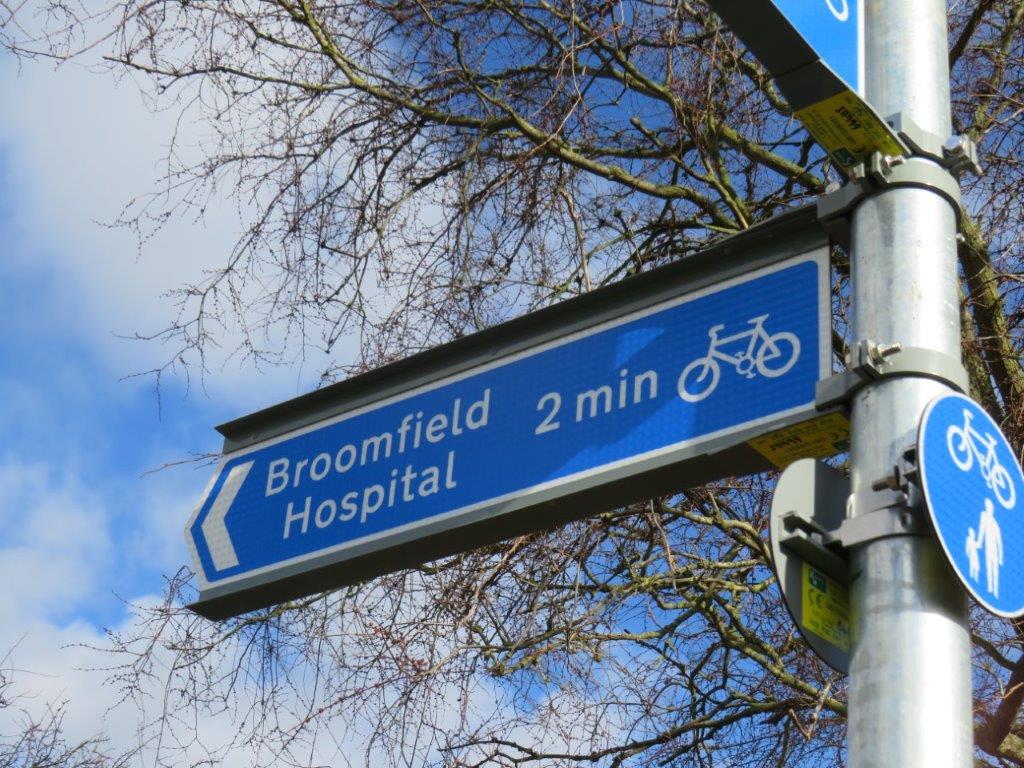
“Marlborough worked with us in constructing a 1.3km cycle track. There were a number of technical difficulties to overcome, and their gifted foreman worked to propose some innovative solutions to the challenges we faced. The result is a facility that the locals are proud of, providing walkers and cyclists with alternative access to the hospital and nearby school. The scheme was a lot of hard work, but well worth it.”
“Marlborough attracts people who take care and have pride in their work. Several gangs of Operatives worked tirelessly for six months to reconstruct drainage networks, lay more than 3km of high quality bespoke granite kerbs and granite channels blocks to ensure positive drainage. The technical compliance, attention to detail and level of quality finish along the entire carriageway was exceptional”.
“We saw huge benefits in appointing Marlborough as our full service contractor and we’re impressed – they’ve delivered consistent high quality service and superior quality control across every project. Marlborough, provide us with a ‘one-stop’ shop solution – we get the same quality of service and better control across all aspects of the project.”
Please see our privacy notice for more information on how Marlborough Highways Ltd take care of your details.