
Overview
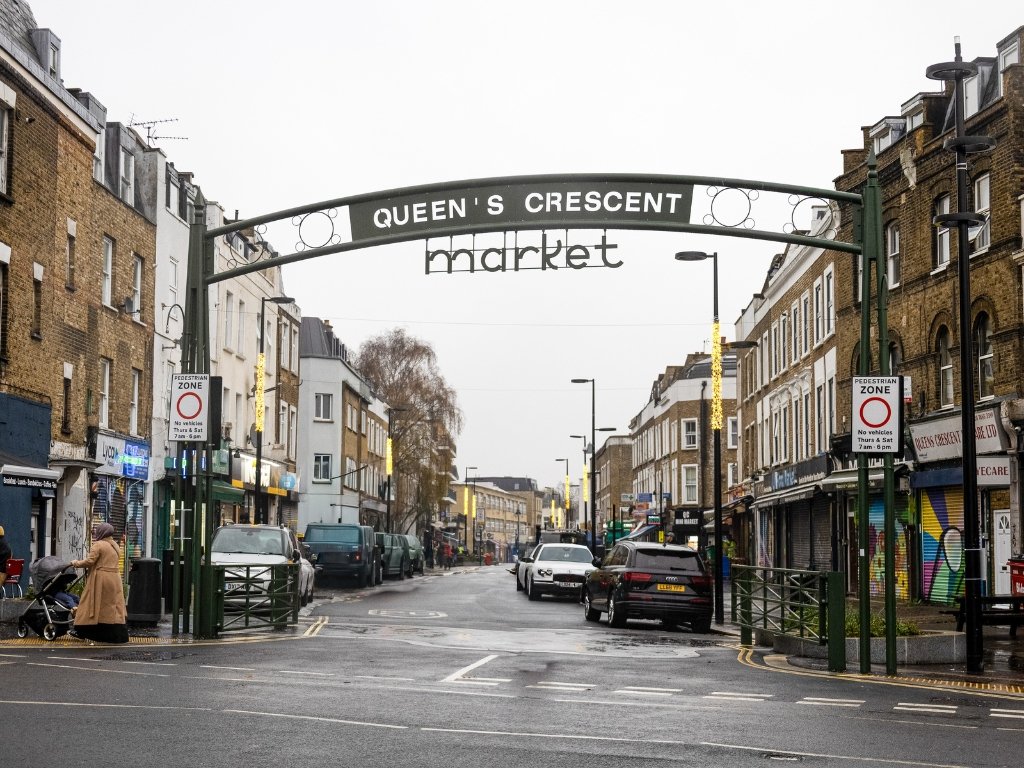
Following an extensive public consultation process and an insightful motor-traffic-free trial, Marlborough Highways worked in close partnership with Camden Council to bring public realm improvements to Queen’s Crescent – a historic market street situated in the heart of the borough.
With our work on the project now complete, the space is a greener, safer and more attractive destination; one equipped to better support the local market, the surrounding community as well as nearby businesses.


Challenges
Ever since it was first constructed, Queen’s Crescent has long been a bustling centre of commerce, featuring dozens of independent shops and a semi-weekly market. However, delivering major improvements in such a busy and active environment posed a substantial challenge for Marlborough.
Not only did our people have to phase works carefully to keep the street open from start to finish — sufficient access had to be left to ensure local people were able to safely engage with the shops, vendors and other amenities at the heart of this community. But keeping business’s doors open was only one part of the equation.
To ensure retailers on Queen’s Crescent were able to operate unaffected, every delivery needed to arrive on time, every waste collection had to stay to schedule, and emergency access had to be guaranteed at all times. Achieving this demanded continuous communication with landlords, shopkeepers, market vendors, residents and other stakeholders from beginning to end.
Results
With all of Marlborough’s work now complete, Queen’s Crescent has been given a new lease of life.
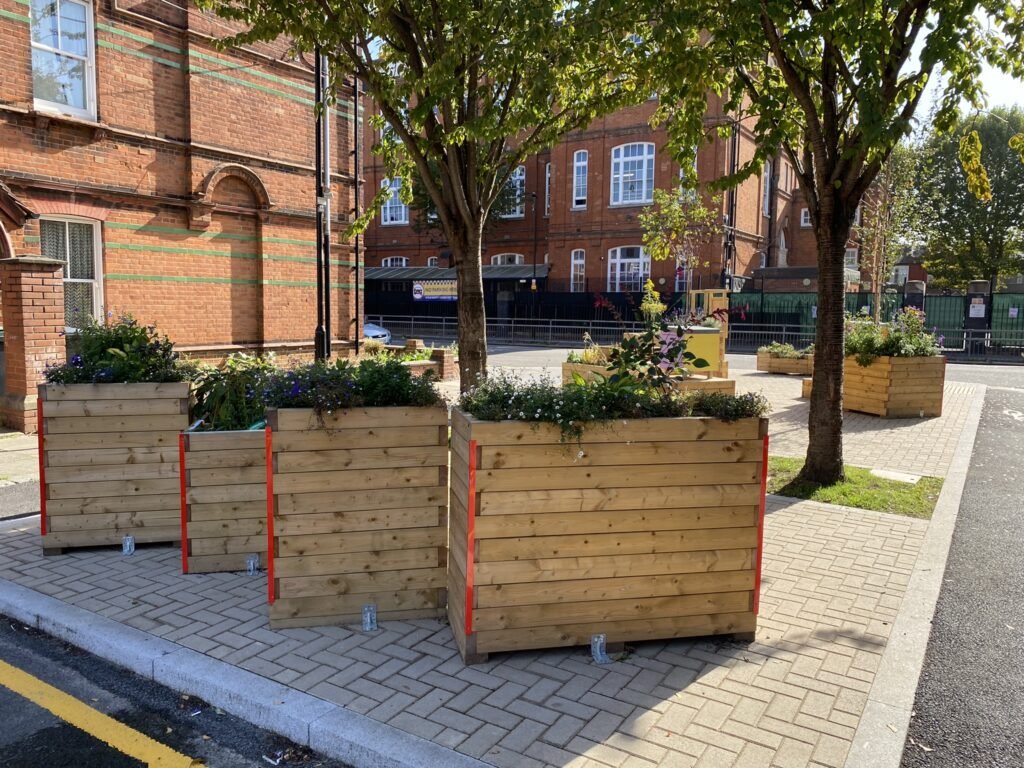
From bespoke planters and kerbing to energy-efficient street lighting, fresh surfacing and dedicated market bollards — Queen’s Crescent is now a space better suited to the needs of residents and businesses alike.
Beyond improving the look and feel of the street, the scheme also brings lasting environmental benefits. Additionally, new trees and plants have been introduced throughout, enhancing biodiversity and improving access to green space locally.
To ensure this fauna can thrive for years to come, we installed advanced root cell systems, giving trees the space and support they need to grow healthy well into the future.
Social value
Marlborough’s commitment to Queen’s Crescent went far beyond infrastructure improvements. Throughout the programme, we worked hand-in-hand with local organisations to ensure the benefits of regeneration reached every corner of the community.
One of our key partnerships was with the Queen’s Crescent Community Association, a charity providing vital support to vulnerable residents. Over the festive season, we donated essential food items and volunteered our time to help the organisation continue running.
We also focused our efforts on tackling digital exclusion by providing Samsung Galaxy tablets to Camden Council. These devices were then distributed to residents not in education or employment, giving them access to online training, job opportunities and social connection.
Alongside this, our people visited local schools – including Edith Neville Primary and Acland Burghley Secondary School — to deliver careers guidance, road safety workshops and more. Through a combination of practical advice and engaging activities, we helped nurture skills and confidence for future generations.
Fact file
Client: Camden Council
Date: August 2024 – November 2025
Project:
- Installation of new street lighting and signage
- Provision of power bollards for market stalls
- Resurfacing of roads and pavements with improved speed tables
- Planting of new trees supported by innovative root cell systems
- Introduction of bespoke planters and striking kerb designs
- Implementation of sustainable drainage solutions
- Enhancements to overall streetscape with bold, distinctive design
- Refurbishment of existing gantry sign, with addition of a new ‘market logo’
- Installation of new access gates at each junction that meet the market
Solution
Before ground broke on the scheme, representatives from Camden Council and Marlborough Highways held a series of public engagement events on Queen’s Crescent. This gave local residents and business owners a chance to ask questions about the scheme and better understand the improvements we would deliver.
Shortly after this, in September 2024, progress started on phase one. Kerb excavations and drainage work began on the scheme, alongside the implementation of the motor-traffic-free zone between Weedington Road and Allcroft Road. By restricting when and what vehicles can access this part of Queen’s Crescent, the street’s historic market could run safely in addition to the usual market days of Thursday and Saturday, or make room for other community events and celebrations through the year.
Over the following weeks, the scheme’s distinctive curved kerbing began to be laid. Several raised planters were also installed, creating a dedicated space for new plants and trees to live. By December, a newly surfaced tabletop was constructed to calm traffic and improve pedestrian safety. At the same time, temporary asphalt was laid and work barriers were removed to accommodate the busy festive shopping period.
For phase two, attention turned to the work between Ashdown Crescent and Gilden Crescent. Here, new granite kerbs were installed, new gully pots were implemented, and construction of the dedicated ‘market pitch’ areas began. After this, pavements on both sides of Queen’s Crescent were resurfaced, followed by improvements to the Gilden Crescent junction. Around Easter, some barriers were temporarily removed to make space for bank holiday crowds.
In the following weeks and months, work continued on road resurfacing, kerb installation and raised speed tables. Further upgrades were made to the Weedington Road junction, and a new surface and speed table were added along Bassett Street down to Allcroft Road.
By June, focus shifted to the Malden Road junction, where energy-efficient street lighting columns were installed to improve perceptions of safety and reduce anti-social behaviour. Around this period, the historic Queen’s Crescent sign was refurbished to celebrate the street’s rich and storied heritage.
Then, once the final surfacing along Queen’s Crescent was complete, street lights were connected and dedicated market power bollards were installed — providing stalls with easy access to both low- and high-voltage power for market days. Once these finishing touches were accomplished, the scheme was officially opened to the public.















“One of the things I value most is their very collaborative and transparent team culture. It makes a big difference to have a contractor that wants to work closely with us and is supportive and responsive. With Marlborough, I get a team who are attentive, work collaboratively and honestly with me and don’t lose focus on delivering first class communications and compliance.”
“From the design stage, Marlborough has been fundamental in delivering the Broad Lane Square improvements scheme. During the works, not only did the team manage to keep to the programme, but they went the extra mile to ensure attention to detail and came up with innovative solutions to address issues encountered on site. My thanks on behalf of Haringey goes out to Marlborough for their dedication to deliver.”
“Working alongside our Term Service Contractor Marlborough Highways, we successfully completed renovations to the Crowstone Footbridge. The designs were provided by Marlborough, and the work was unique. The scheme was completed to budget and ahead of its programme duration.”
“I would like to thank you and your team for your efforts, the Marlborough crews were professional, courteous, and hard working all day and ensured the event went without a hitch. You and the team were a credit to the company, demonstrating commitment and support to the London Borough of Barking and Dagenham.”
“I just wanted to say what a pleasure it has been to work with Marlborough Highways over the last six months. The quality of work is superb, and there has been some excellent collaboration between Milestone and Marlborough to complete, what at times, has been quite a challenging scheme. I hope to work with Marlborough on another project in the near future.”
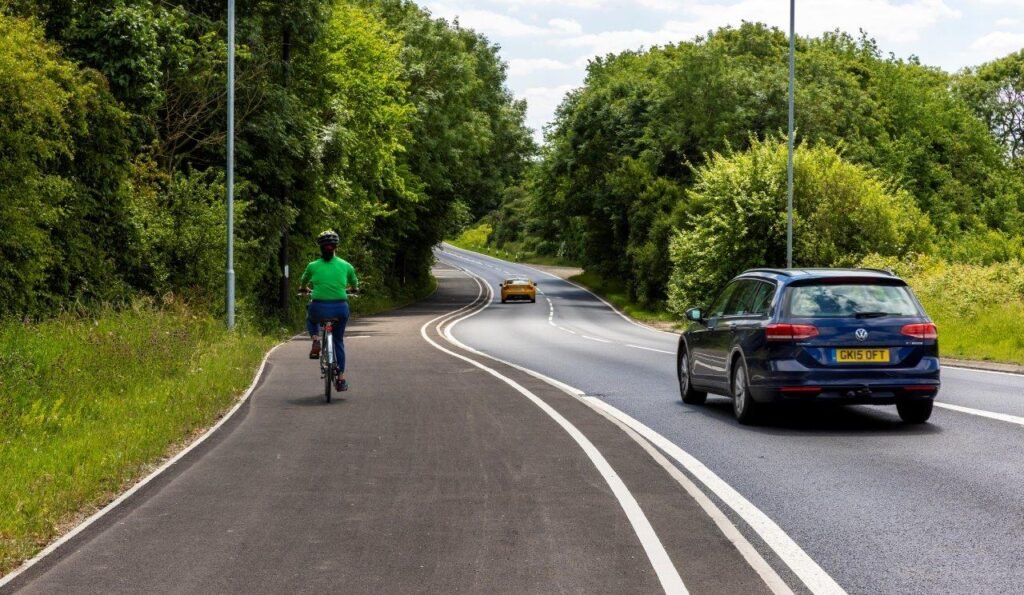
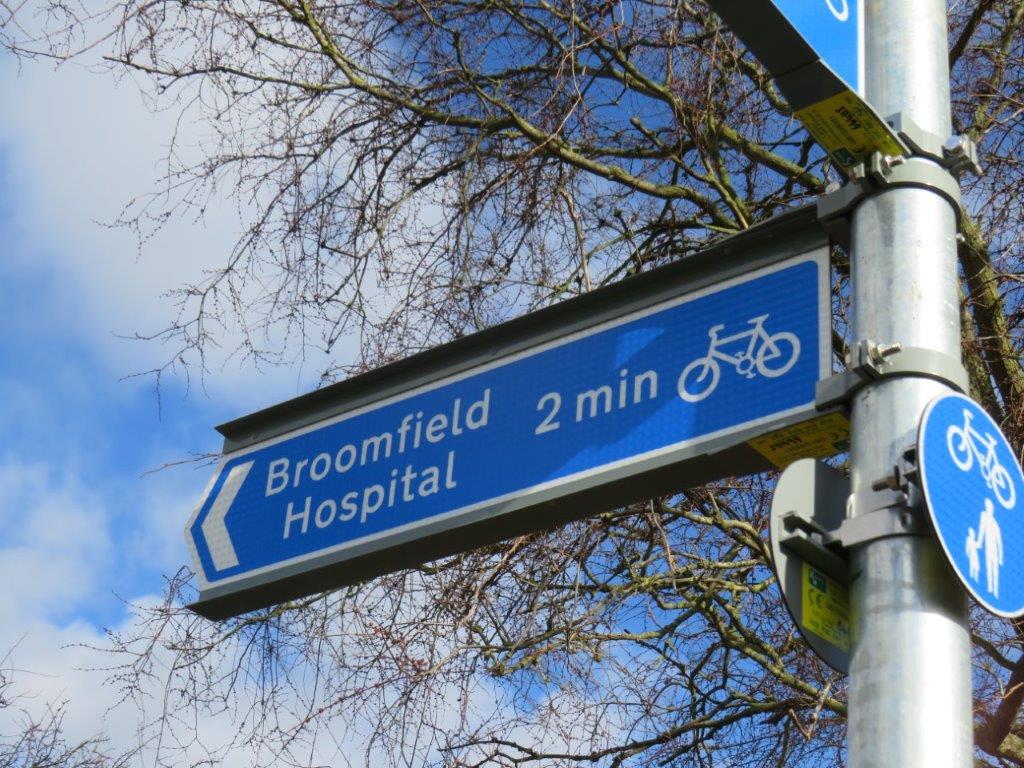
“Marlborough worked with us in constructing a 1.3km cycle track. There were a number of technical difficulties to overcome, and their gifted foreman worked to propose some innovative solutions to the challenges we faced. The result is a facility that the locals are proud of, providing walkers and cyclists with alternative access to the hospital and nearby school. The scheme was a lot of hard work, but well worth it.”
“Marlborough attracts people who take care and have pride in their work. Several gangs of Operatives worked tirelessly for six months to reconstruct drainage networks, lay more than 3km of high quality bespoke granite kerbs and granite channels blocks to ensure positive drainage. The technical compliance, attention to detail and level of quality finish along the entire carriageway was exceptional”.
“We saw huge benefits in appointing Marlborough as our full service contractor and we’re impressed – they’ve delivered consistent high quality service and superior quality control across every project. Marlborough, provide us with a ‘one-stop’ shop solution – we get the same quality of service and better control across all aspects of the project.”
Please see our privacy notice for more information on how Marlborough Highways Ltd take care of your details.