
Overview:
Marlborough Highways delivered a large carriageway scheme on High Road in the London Borough of Barnet, with the surfacing project improving the local aesthetic, making journeys better for cyclists, pedestrians and vehicle users. During the works, Marlborough conducted two road safety engagement sessions at the nearby Martin Primary School, with members of the project team taking part in student talks and practical demonstrations.


The Challenge
High Road is a historic carriageway in the London Borough of Barnet, which today forms part of the A1000; a major artery connecting North London to Hertfordshire. The busy thoroughfare runs through densely populated residential areas as well as through East Finchley’s bustling commercial centre. The 20mph road, which is also an important bus route, is used to make thousands of journeys each week, but overtime the surface had degraded, the line markings had faded, and the street gully system had become clogged. Furthermore, High Road’s cycle lane needed improvements, with the existing separator wands not adequately protecting cyclists from the main flow of motorised traffic. To resolve the problems, Barnet Council recognised that a major works programme was needed, and it would have to be delivered cost-effectively and with minimum disruption to the community.
The Solution
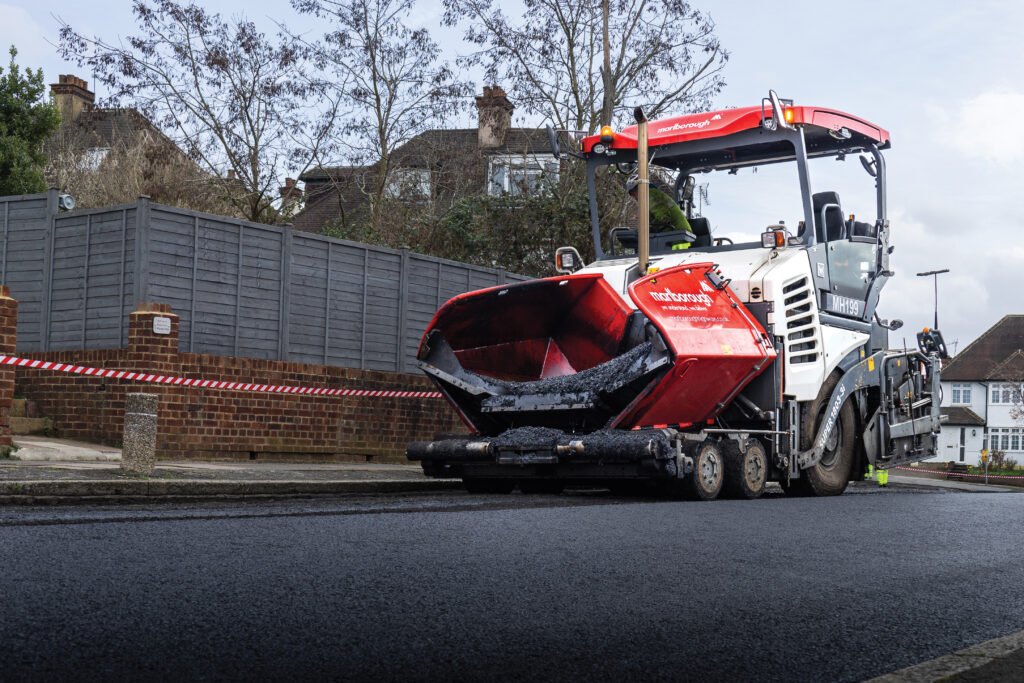
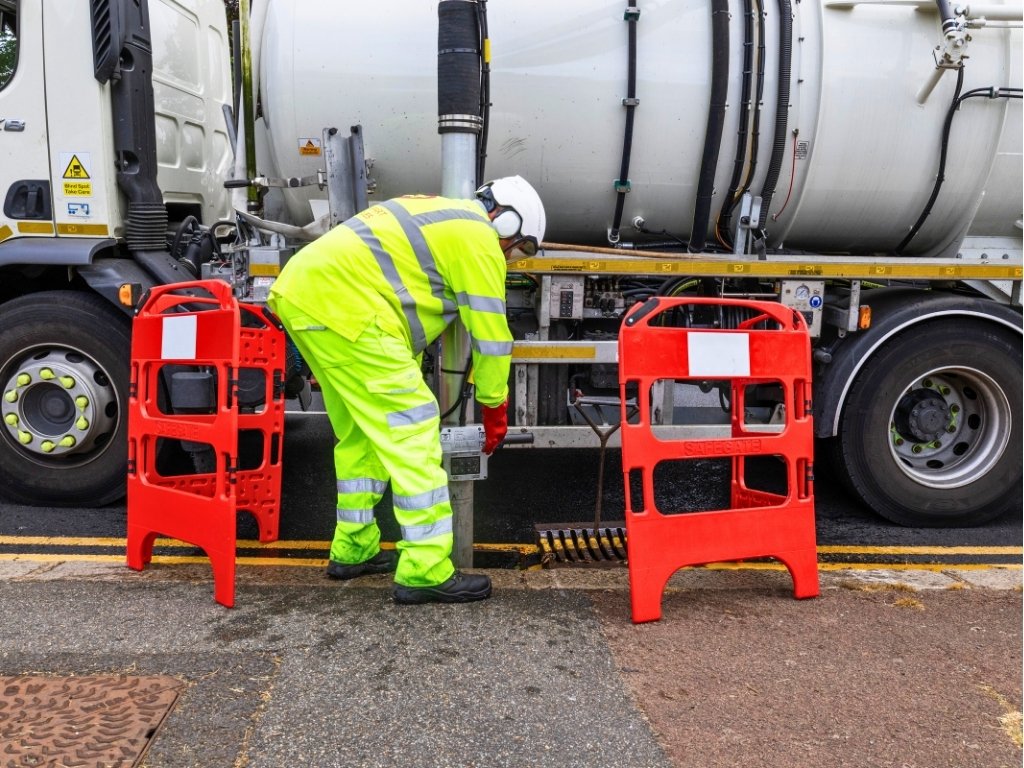
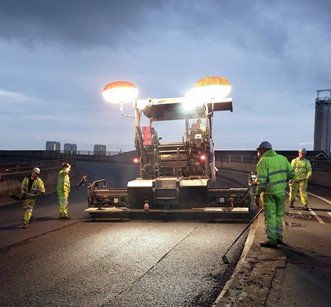
In partnership with Barnet Council, Marlborough devised a three-week schedule, which was communicated to local residents and businesses ahead of works. The project was delivered in phases between 8pm and 5am each night, with High Road remaining open during the busy day time hours. A complex traffic management plan was devised and implemented by Marlborough, with a combination of soft and hard road closures put in place, and appropriate diversions set up to keep vehicles moving. While surfacing and civils operatives worked to mill out and resurface one section of road, Marlborough’s gully cleaning crew worked on another section, with collaboration between the two teams vital to keeping the scheme on schedule.
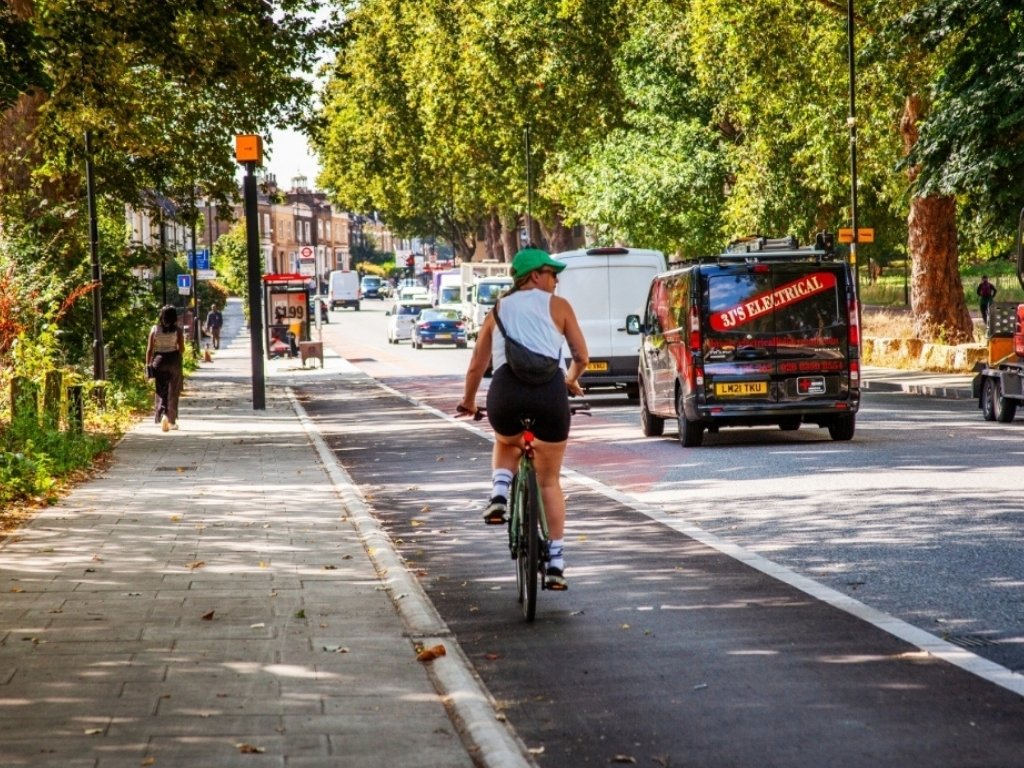
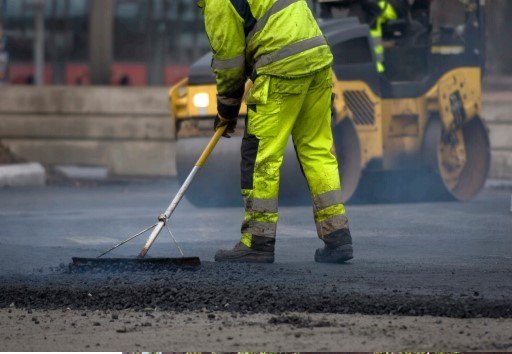
Nearly 9,000m2 of carriageway was improved, with a low carbon, warm asphalt material used. The high-quality mix cures more quickly than traditional asphalt, meaning Marlborough’s line marking teams could move on to site seamlessly, soon completing the sections of road where the surfacing teams had been just a few hours before. During the scheme, all the road lines were reinstated, including the junctions, double yellows, and cycle lanes, with the clearly defined markings making the carriageway safer and easier for users to navigate. In addition, Marlborough removed over 100 dated cycle lane separator wands, and replaced them with robust, high-visible modern versions, helping to better protect cyclists from cars, vans, buses and lorries. The project now complete, Marlborough has been praised for the quality of the workmanship, and for the speed in which it was expertly delivered.
Fact File
Client Barnet Council
Date January – February 2024
Duration 3 weeks
Project
- 9,000m2 of carriageway milled out
- 9,000m2 of road resurfaced
- All road markings were reinstated
- 100 lane separator wands replaced
- Traffic management coordinated throughout
Team
- 1 full time Project Manager
- 1 Supervisor
- 5 Traffic Management operatives
- 25 operatives comprising Surfacing Operatives, Tipper Drivers, Planer Operators, Road Markers and Civils Operatives
Sustainability
- Marlborough used low carbon, warm asphalt, which is better for the environment.
- All the planings were collected and sent off to a specialist asphalt plant to be recycled.
- The project team used electric vehicles to travel to and from the site, reducing emissions for improved local air quality.
Client quote
“The whole journey working with the Marlborough Highways’ team from first engagement to completion of the project has been one of the best working experiences we have had in Barnet. The professionalism and dedication from the whole team is what you want to achieve from a working environment.”
Tony Dennison, Construction Manager, Barnet Council
Martin Primary School engagement
Martin Primary School is situated on High Road in the London Borough of Barnet, where the surfacing scheme took place. While the works were underway, Marlborough’s Social Value team worked with the site crew to deliver two road safety sessions at the school to a total of 180 Year 5 and 6 students.
The first half of the sessions focused on pedestrian road safety, preparing students for travelling to school independently, and reminding them of the Stop, Look, Listen, Think rule, before crossing roads. There was also a focus on safety around live highways sites, with Marlborough’s expert team explaining what the different traffic management signs mean. In addition, they explored the ways in which vehicles and machinery are used in construction and discussed the importance of correctly following diversions around active areas of work.
For the second half of the sessions, Marlborough’s team were joined by members of the Road Haulage Association. Together, they delivered an interactive visibility exercise in the playground, with students gathering around a Marlborough HGV grab lorry. The children were told how far back they need to be from large vehicles for drivers to be able to see them clearly. The students also learnt how the grab lorry is used on Marlborough’s sites, how many tonnes of material it can carry, and how it takes HGVs more time to break and come to a stop, especially in wet weather.
School quote
“Thank you for delivering the workshop for the children last week, the feedback was all really positive. The pupils enjoyed seeing real images of the road and having their knowledge tested in the hall. They all especially enjoyed being able to see a vehicle up close and of course they loved it when your driver honked the horn!”
Sophie Cowley-Baughen, Phase Leader and Year 6 Class Teacher, Martin Primary School













“One of the things I value most is their very collaborative and transparent team culture. It makes a big difference to have a contractor that wants to work closely with us and is supportive and responsive. With Marlborough, I get a team who are attentive, work collaboratively and honestly with me and don’t lose focus on delivering first class communications and compliance.”
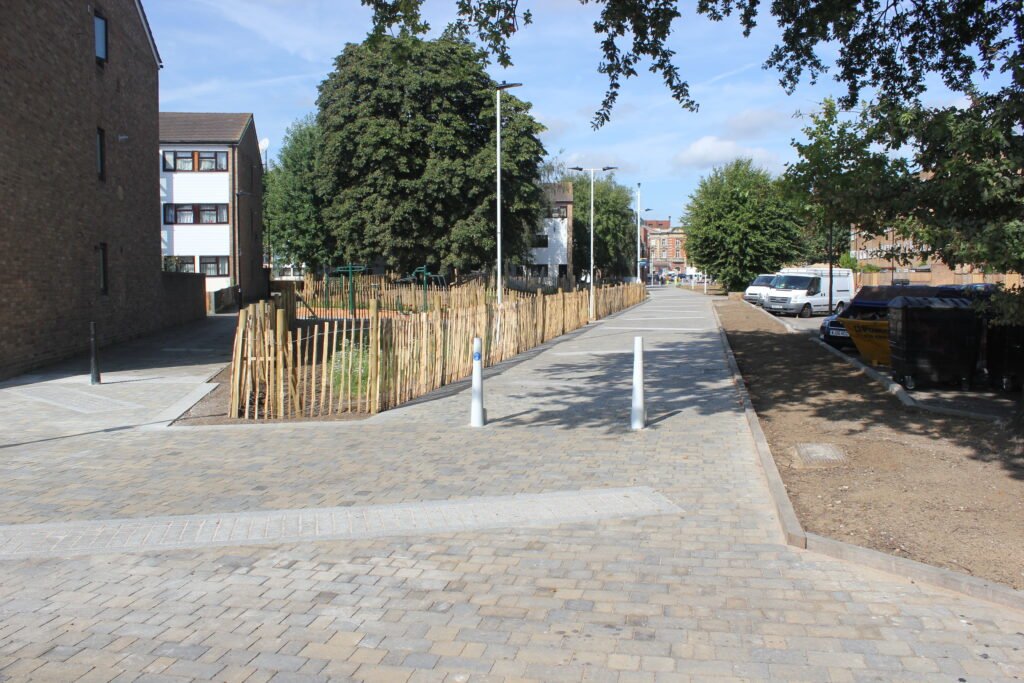
“From the design stage, Marlborough has been fundamental in delivering the Broad Lane Square improvements scheme. During the works, not only did the team manage to keep to the programme, but they went the extra mile to ensure attention to detail and came up with innovative solutions to address issues encountered on site. My thanks on behalf of Haringey goes out to Marlborough for their dedication to deliver.”
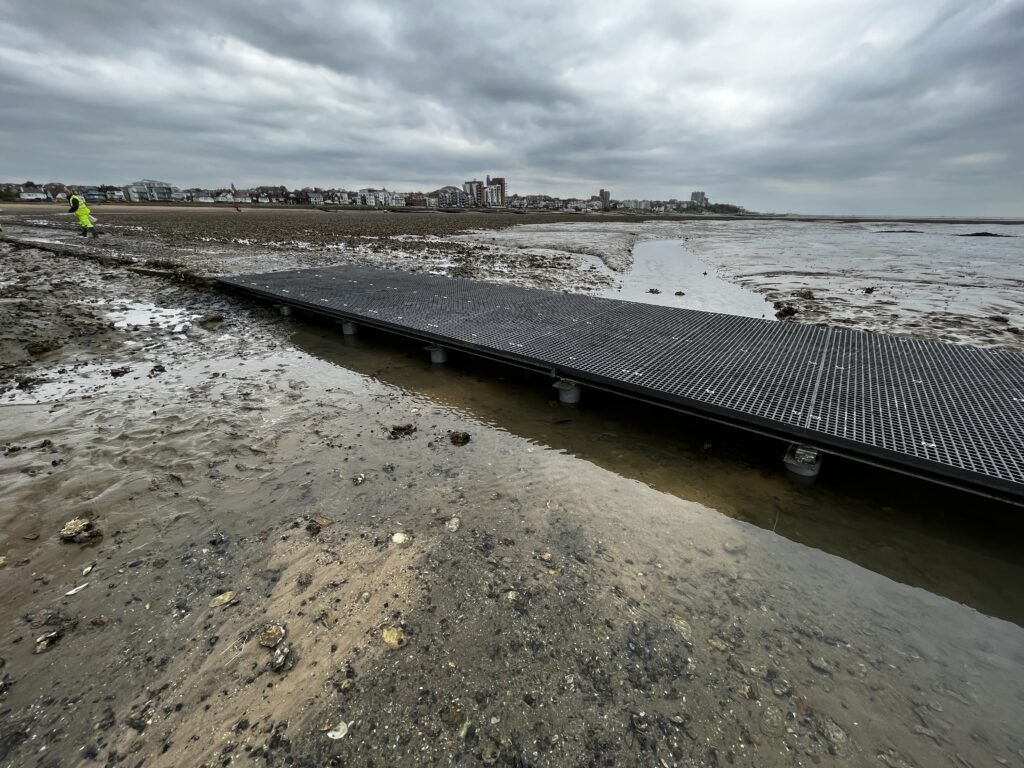
“Working alongside our Term Service Contractor Marlborough Highways, we successfully completed renovations to the Crowstone Footbridge. The designs were provided by Marlborough, and the work was unique. The scheme was completed to budget and ahead of its programme duration.”
“I would like to thank you and your team for your efforts, the Marlborough crews were professional, courteous, and hard working all day and ensured the event went without a hitch. You and the team were a credit to the company, demonstrating commitment and support to the London Borough of Barking and Dagenham.”
“I just wanted to say what a pleasure it has been to work with Marlborough Highways over the last six months. The quality of work is superb, and there has been some excellent collaboration between Milestone and Marlborough to complete, what at times, has been quite a challenging scheme. I hope to work with Marlborough on another project in the near future.”
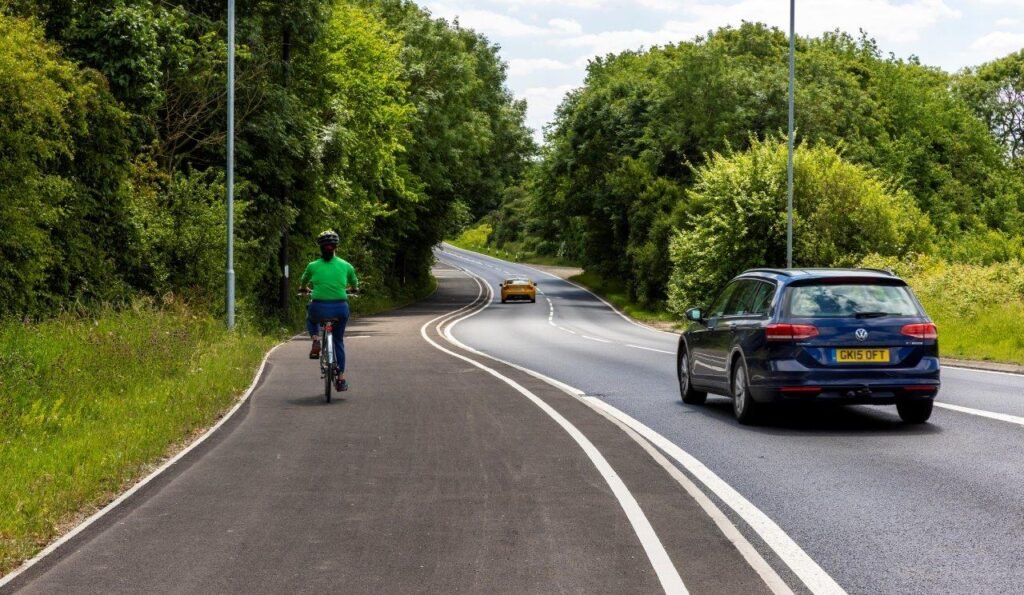
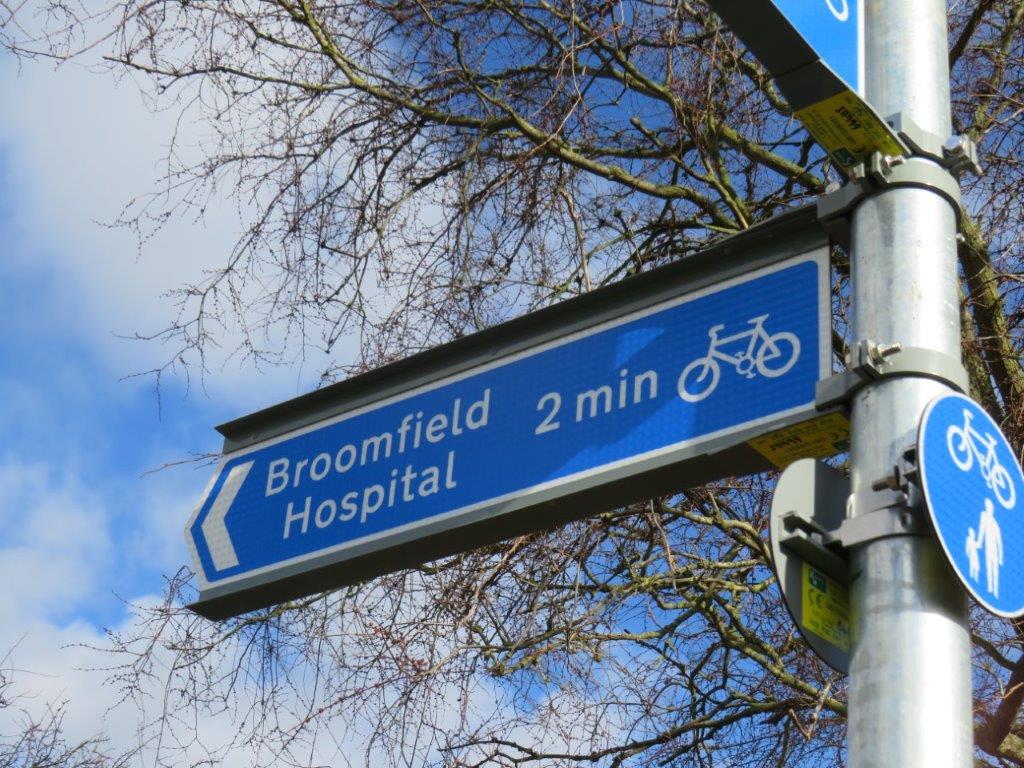
“Marlborough worked with us in constructing a 1.3km cycle track. There were a number of technical difficulties to overcome, and their gifted foreman worked to propose some innovative solutions to the challenges we faced. The result is a facility that the locals are proud of, providing walkers and cyclists with alternative access to the hospital and nearby school. The scheme was a lot of hard work, but well worth it.”
“Marlborough attracts people who take care and have pride in their work. Several gangs of Operatives worked tirelessly for six months to reconstruct drainage networks, lay more than 3km of high quality bespoke granite kerbs and granite channels blocks to ensure positive drainage. The technical compliance, attention to detail and level of quality finish along the entire carriageway was exceptional”.
“We saw huge benefits in appointing Marlborough as our full service contractor and we’re impressed – they’ve delivered consistent high quality service and superior quality control across every project. Marlborough, provide us with a ‘one-stop’ shop solution – we get the same quality of service and better control across all aspects of the project.”
Please see our privacy notice for more information on how Marlborough Highways Ltd take care of your details.