
Overview:
Southend-on-Sea City Council commissioned Marlborough Highways to project manage the renovation of a strategic sea wall on Two Tree Island on the Essex Coast. Forming part of the European Sustainable And Resilient Coastal Cities (SARCC) programme, the pioneering scheme benefits from Nature Based Solutions (NBS), which help to protect the environment from coastal erosion, while allowing marine wildlife to flourish.


Background
The SARCC programme is a European project with financial support from the European Regional Development fund. Its objective is to encourage the use of NBS in coastal management strategy, particularly in urban areas threatened by the rise in sea-levels. Southend-on-Sea is one of seven destinations in Europe to benefit from the initiative, with Southend-on-Sea City Council seeking to deliver a range of innovative coastal projects in partnership with the Maritime Archaeology Trust and the Environment Agency. This includes the renovation of an important sea wall on Two Tree Island, which is an area of low-lying wetlands north-east of Canvey Island across a saltmarsh. The designated nature reserve is looked after by the Essex Wildlife Trust and is susceptible to flooding, so needs to be expertly managed with appropriate coastal defences.
Marlborough was tasked with project managing the sea wall scheme, with the construction needing to ensure the integrity of the shoreline for decades to come. Environmentally friendly solutions were required, with the introduction of plant life incorporated into the design, helping to provide a natural barrier during high tides.
The Solution
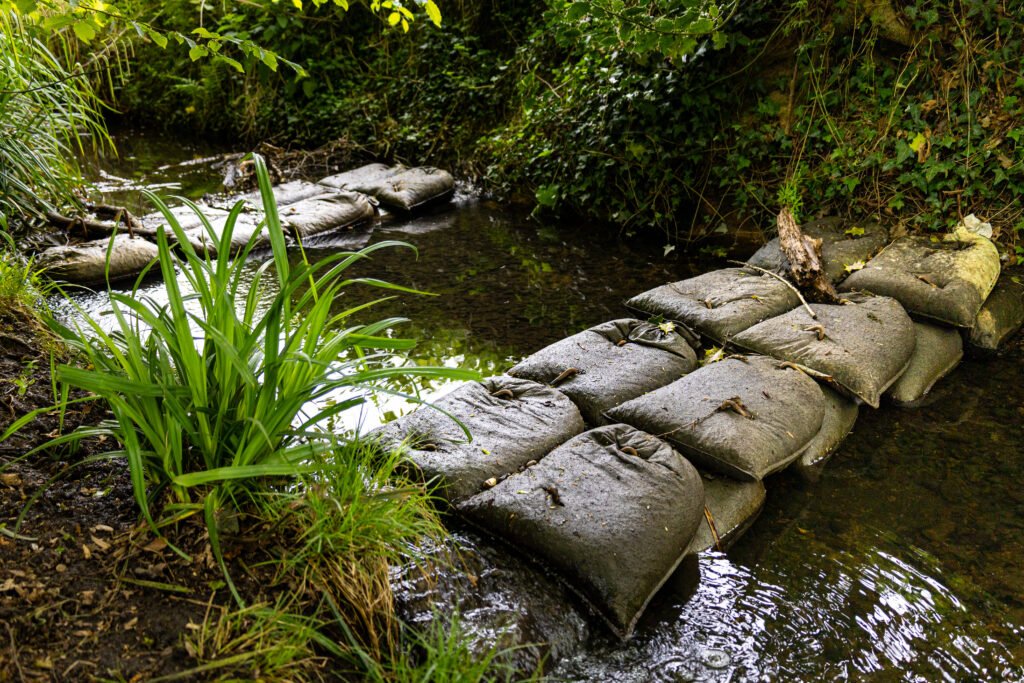
The existing defensive feature was divided into four zones, with the original sandbags excavated and replaced in zones one to three. The new hessian sandbags contained a quick dry, eco-friendly concrete mix, which provides improved protection against wave pressure, while complementing the natural environment and allowing for appropriate drainage. In zone four, which was more at risk from flooding, trenches were dug before gabion baskets were installed, each consisting of a galvanised steel wire cage and filled with rock material. The 21m2 area of gabion baskets was then surrounded by sandbags, and with the support of an onsite ecologist, specially selected foliage was planted. The marine vegetation is an excellent example of a cost-effective NBS, with the greenery helping to absorb moisture, while attracting wildlife, and over time strengthening the integrity of the feature.
Fact File
Client Southend-on-Sea City Council
Date August – September 2022
Duration 8 weeks
Value £170,000
Project
- Excavation of existing sea defences
- Introduction of new gabion baskets and concrete filled hessian sandbags
- Installation of matting and wire mesh
- Strategic planting
Team
- 1 full time Project Manager
- 1 x Trainee Supervisor
- 4 x Marlborough Operatives across all trades
Challenges
- Works needed to be delivered to a strict schedule in just eight weeks in line with migrating bird patterns.
- Tidal times and unpredictable conditions needed to be taken into consideration, with contingency plans factored in.
- The completed feature had to sit on the original site footprint.
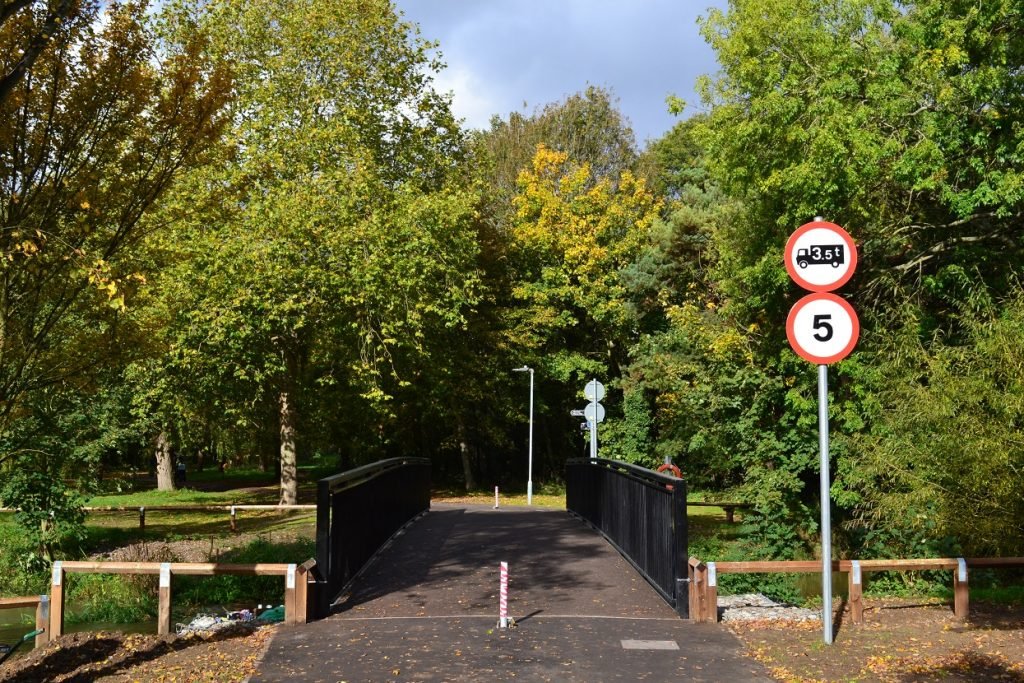
- Two Tree Island is accessed by a weak road bridge. The 7.5 tonne weight restriction meant that only smaller vehicles could transport materials, with much of the unloading and excavating needed to be done with handheld tools.
- Working with Natural England, it was paramount that the habitats of rare birds and native marine wildlife was protected throughout the construction process.
Client savings
- As Southend-on-Sea City Council’s long-term contractor, Marlborough has in-depth knowledge of the area and the coastal management challenges that are unique to it.
- Much of the excavated ground was repurposed during the construction phase, reducing transport and material costs. This ensured it was free from contamination and prevented the need to send material to landfill.
- After construction, Marlborough’s team watered and cared for the newly introduced foliage at no cost to the client.
- Locally based operatives played a vital role in the scheme, contributing to the area’s employment.
Quote from client
“Working at Two Tree Island had its challenges due to coastal legislation and a weak bridge, but the works were completed on time, on budget and to a very-high standard. The feedback received has been wholly positive with the project being Southend’s SARCC showpiece for the European Commission”.
Andrew Gibbons, Senior Engineer, Southend-on-Sea City Council














“One of the things I value most is their very collaborative and transparent team culture. It makes a big difference to have a contractor that wants to work closely with us and is supportive and responsive. With Marlborough, I get a team who are attentive, work collaboratively and honestly with me and don’t lose focus on delivering first class communications and compliance.”
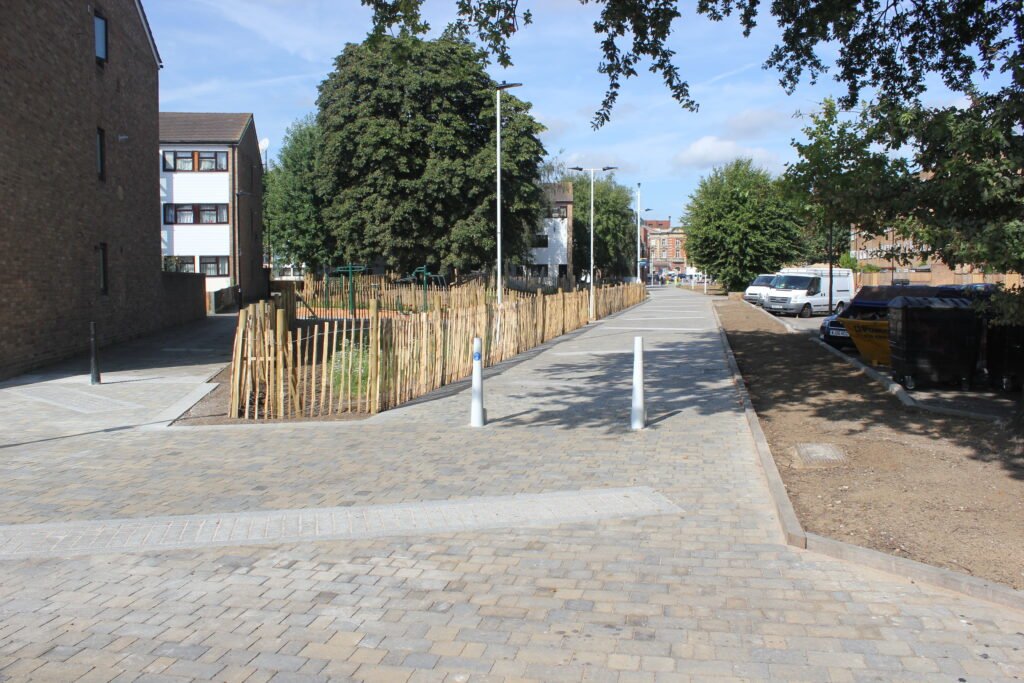
“From the design stage, Marlborough has been fundamental in delivering the Broad Lane Square improvements scheme. During the works, not only did the team manage to keep to the programme, but they went the extra mile to ensure attention to detail and came up with innovative solutions to address issues encountered on site. My thanks on behalf of Haringey goes out to Marlborough for their dedication to deliver.”
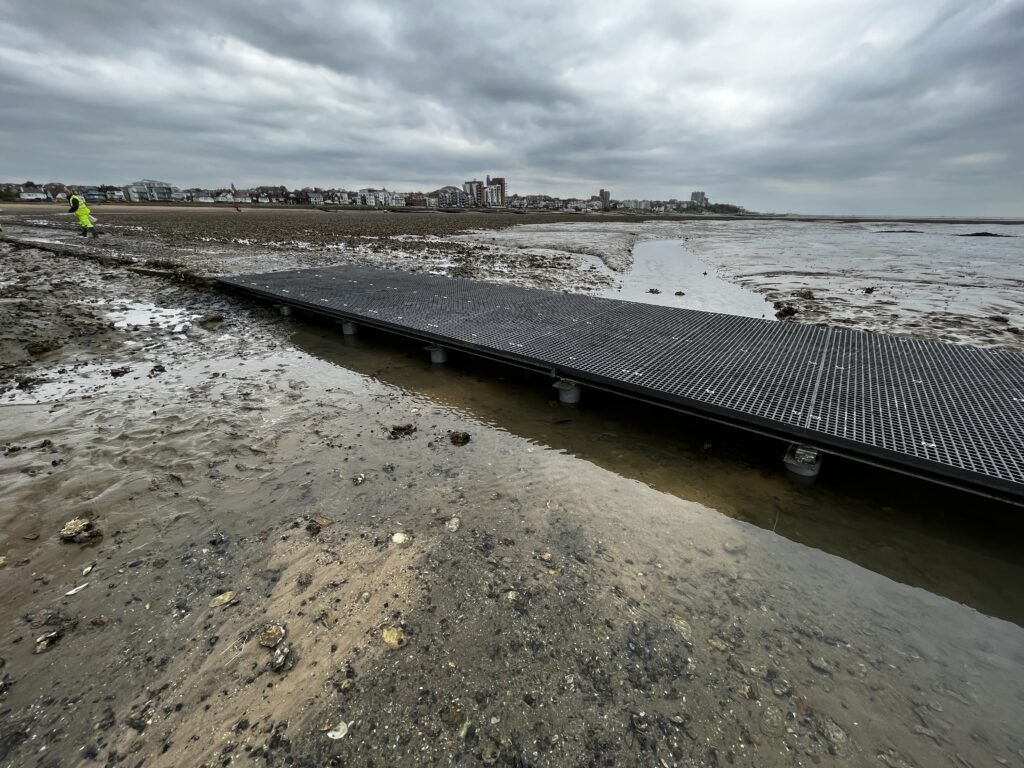
“Working alongside our Term Service Contractor Marlborough Highways, we successfully completed renovations to the Crowstone Footbridge. The designs were provided by Marlborough, and the work was unique. The scheme was completed to budget and ahead of its programme duration.”
“I would like to thank you and your team for your efforts, the Marlborough crews were professional, courteous, and hard working all day and ensured the event went without a hitch. You and the team were a credit to the company, demonstrating commitment and support to the London Borough of Barking and Dagenham.”
“I just wanted to say what a pleasure it has been to work with Marlborough Highways over the last six months. The quality of work is superb, and there has been some excellent collaboration between Milestone and Marlborough to complete, what at times, has been quite a challenging scheme. I hope to work with Marlborough on another project in the near future.”
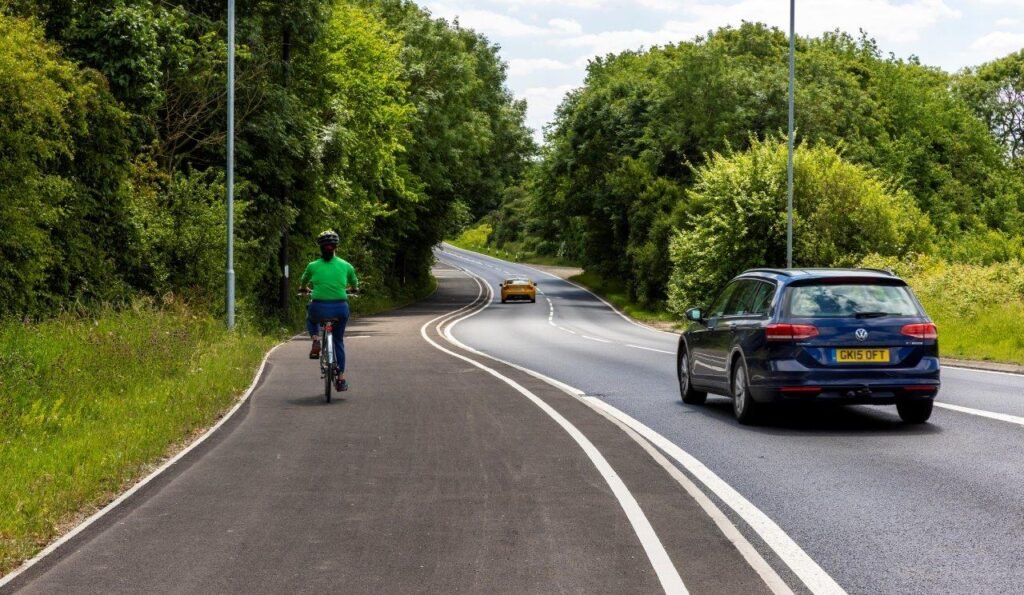
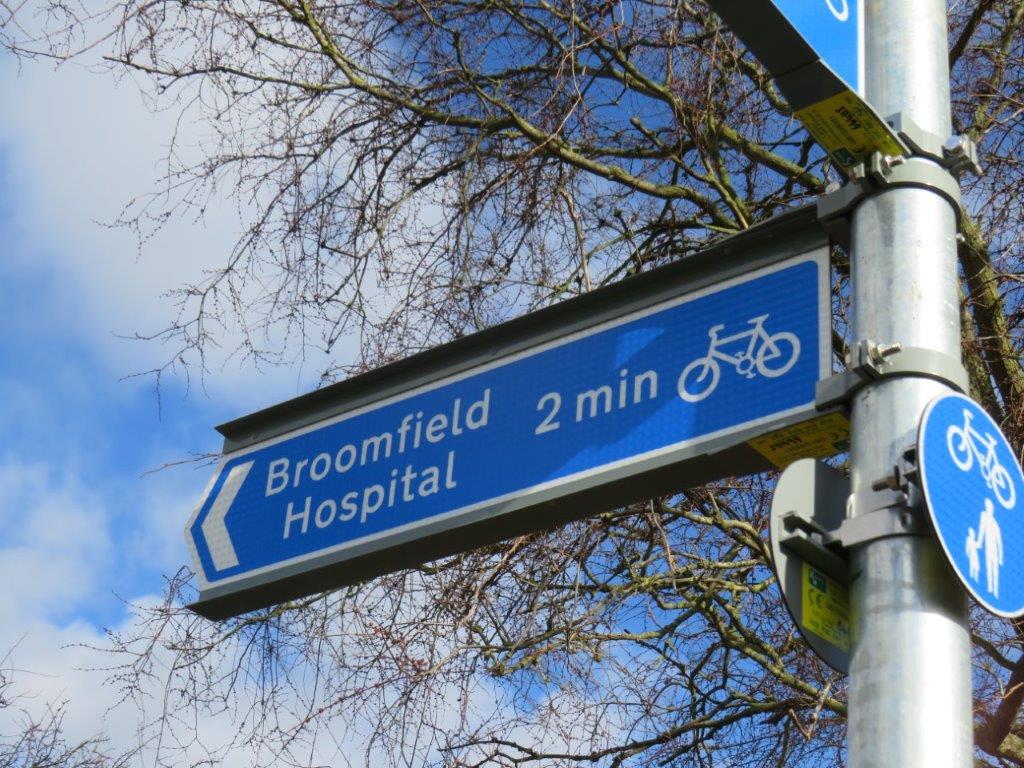
“Marlborough worked with us in constructing a 1.3km cycle track. There were a number of technical difficulties to overcome, and their gifted foreman worked to propose some innovative solutions to the challenges we faced. The result is a facility that the locals are proud of, providing walkers and cyclists with alternative access to the hospital and nearby school. The scheme was a lot of hard work, but well worth it.”
“Marlborough attracts people who take care and have pride in their work. Several gangs of Operatives worked tirelessly for six months to reconstruct drainage networks, lay more than 3km of high quality bespoke granite kerbs and granite channels blocks to ensure positive drainage. The technical compliance, attention to detail and level of quality finish along the entire carriageway was exceptional”.
“We saw huge benefits in appointing Marlborough as our full service contractor and we’re impressed – they’ve delivered consistent high quality service and superior quality control across every project. Marlborough, provide us with a ‘one-stop’ shop solution – we get the same quality of service and better control across all aspects of the project.”
Please see our privacy notice for more information on how Marlborough Highways Ltd take care of your details.