
Overview
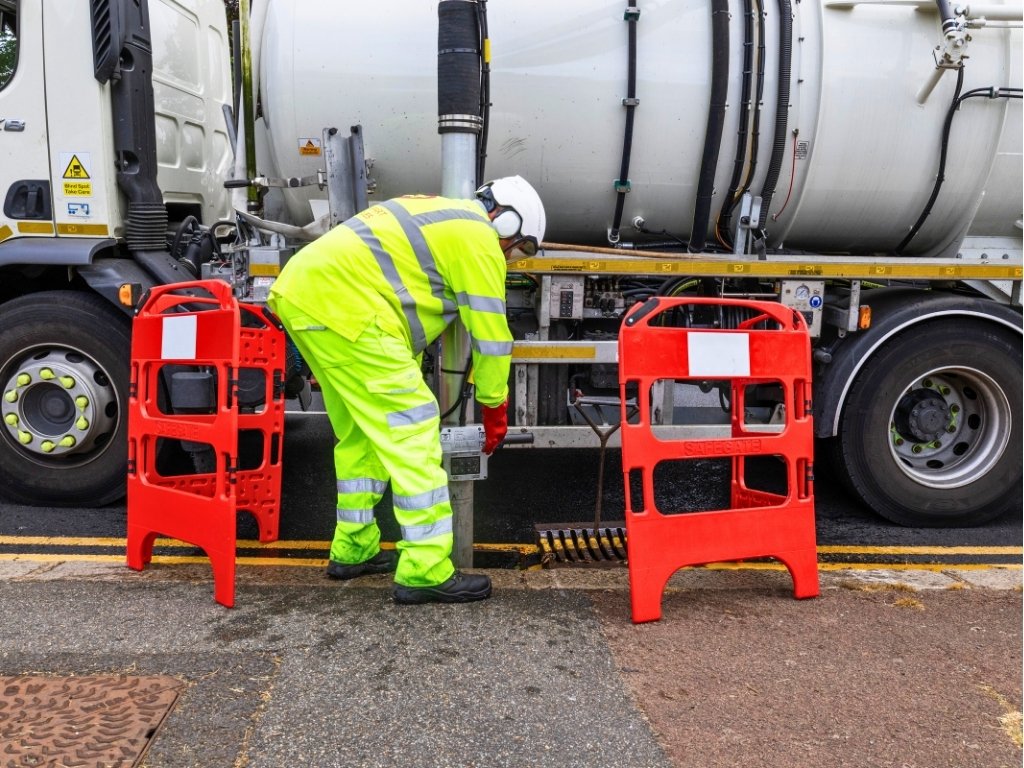
Marlborough Highways work in close collaboration with Southend-on-Sea City Council to carry out gully cleansing across the city. Taken on as an additional responsibility alongside the firm’s highways and civil engineering works in 2025, Marlborough operate reactively to better protect the community against the threat of flooding.


Challenges
As a coastal city, Southend-on-Sea’s 16 square miles of roadway are particularly vulnerable to flooding. When the decision was made to reallocate the responsibility of gully cleaning to their long-standing Term Maintenance Contractor, Marlborough was asked to mobilise this new service rapidly.
In addition to sourcing a dedicated gully truck, the firm was required to give operatives the appropriate training and establish a clear way of working that would minimise flood risk — all while continuing to manage their existing highways and civil engineering duties.
Solution
Through close collaboration, Marlborough Highways successfully rolled out their gully cleaning programme in April 2025. Working proactively with the guidance of Southend-on-Sea City Council, the business reacts rapidly to gully-related issues across the community.
To ensure risk is properly managed, operatives work from a priority list developed by the council. This directive ensures the city’s most vulnerable locations — such as low-lying roads and known flooding hotspots – receive prompt attention when issues arise.
Thanks to a priority-led approach, Marlborough Highways are able to deliver a responsive operation while continuing to manage their wider responsibilities. With trained operatives, a dedicated gully truck, and clear internal processes firmly in place, the service has now been smoothly integrated into the council’s day-to-day operations.
Fact file
Client: Southend-on-Sea City Council
Date: April 2025 – March 2026
Results
Since the service launched in April 2025, Marlborough has successfully maintained a consistent and reliable gully cleaning operation across Southend-on-Sea. The reactive model has enabled swift responses to urgent drainage issues, reducing surface water build-up and minimising flood-related disruption.
The seamless integration of gully cleansing into the firm’s wider operations has not only strengthened the resilience of the network – it has also demonstrated the team’s capability to adapt.















“One of the things I value most is their very collaborative and transparent team culture. It makes a big difference to have a contractor that wants to work closely with us and is supportive and responsive. With Marlborough, I get a team who are attentive, work collaboratively and honestly with me and don’t lose focus on delivering first class communications and compliance.”
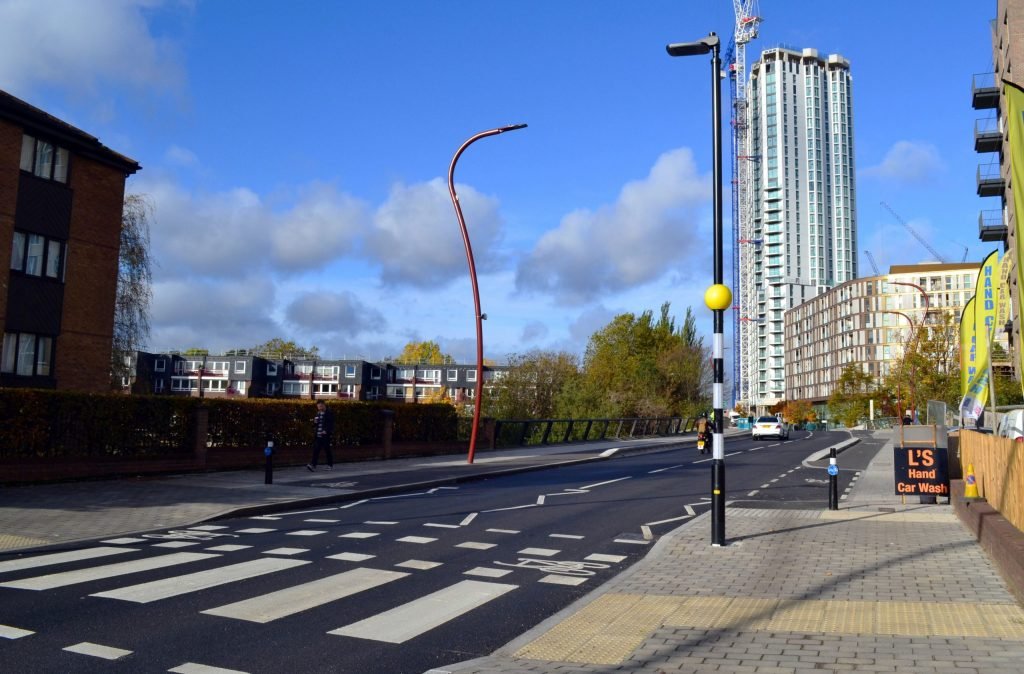
“From the design stage, Marlborough has been fundamental in delivering the Broad Lane Square improvements scheme. During the works, not only did the team manage to keep to the programme, but they went the extra mile to ensure attention to detail and came up with innovative solutions to address issues encountered on site. My thanks on behalf of Haringey goes out to Marlborough for their dedication to deliver.”
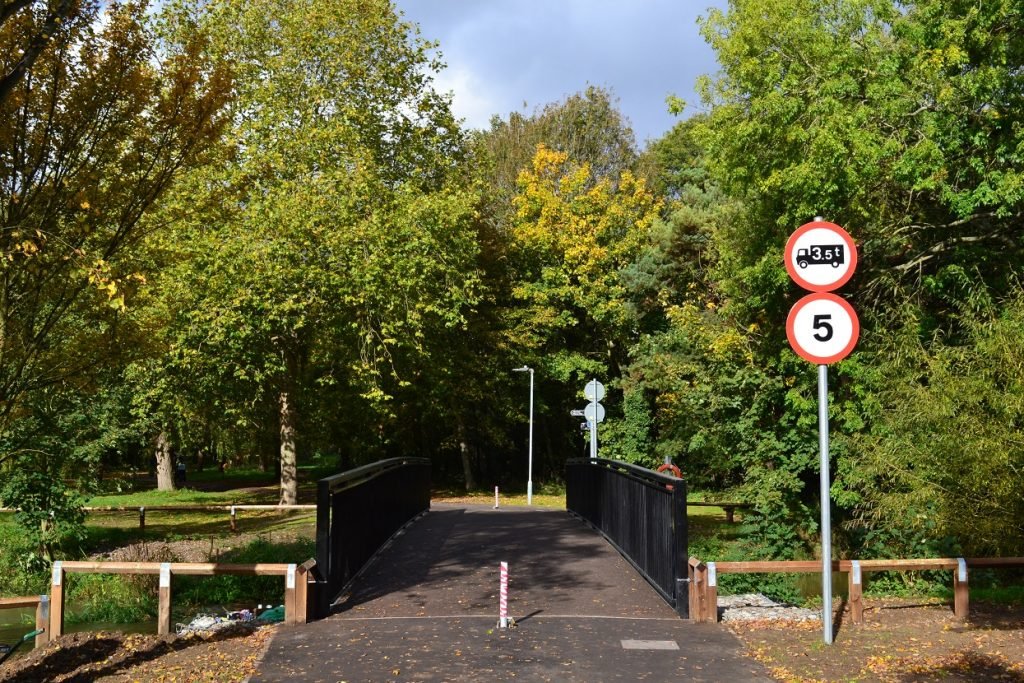
“Working alongside our Term Service Contractor Marlborough Highways, we successfully completed renovations to the Crowstone Footbridge. The designs were provided by Marlborough, and the work was unique. The scheme was completed to budget and ahead of its programme duration.”
“I would like to thank you and your team for your efforts, the Marlborough crews were professional, courteous, and hard working all day and ensured the event went without a hitch. You and the team were a credit to the company, demonstrating commitment and support to the London Borough of Barking and Dagenham.”
“I just wanted to say what a pleasure it has been to work with Marlborough Highways over the last six months. The quality of work is superb, and there has been some excellent collaboration between Milestone and Marlborough to complete, what at times, has been quite a challenging scheme. I hope to work with Marlborough on another project in the near future.”
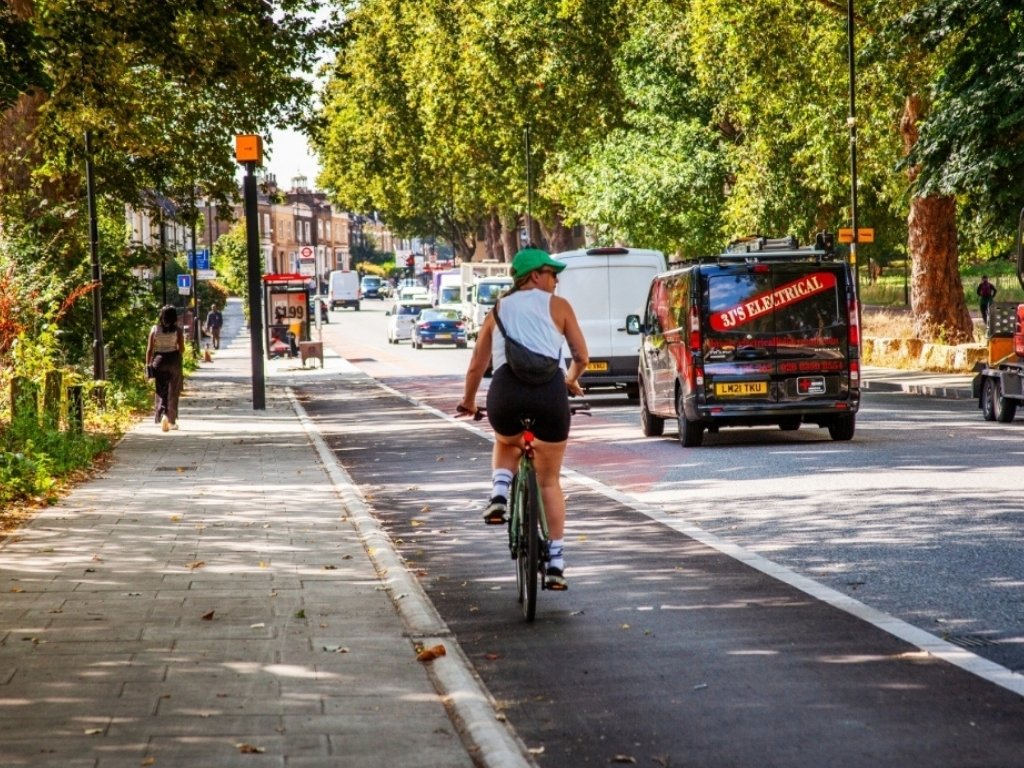
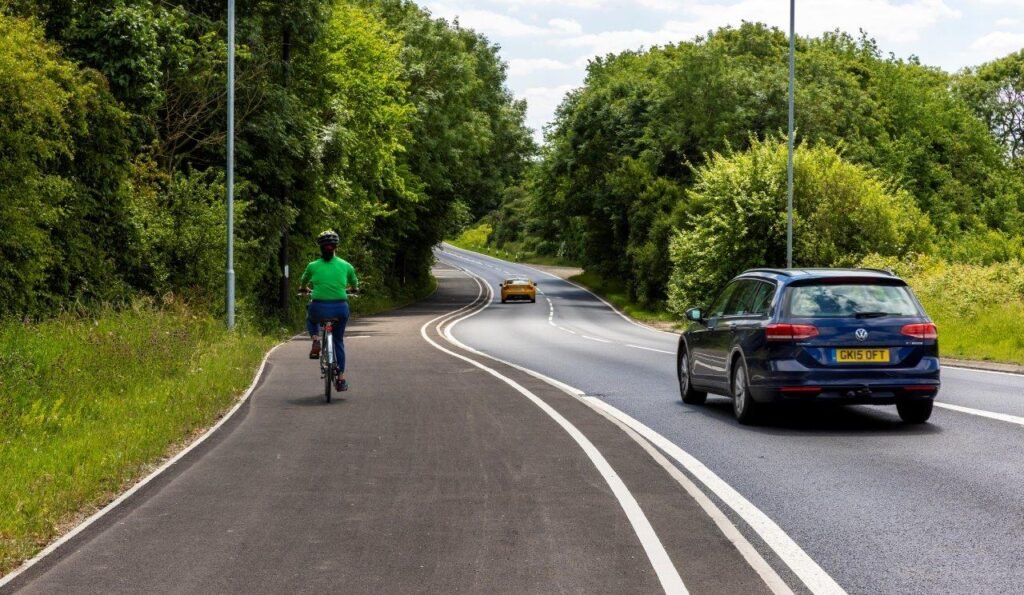
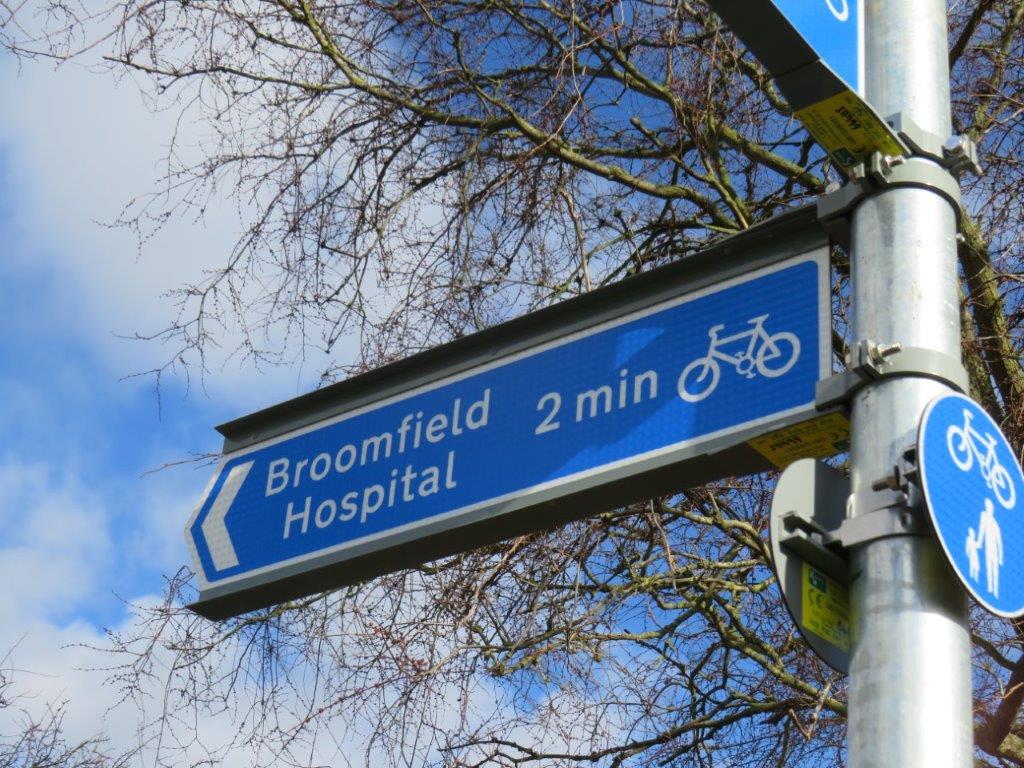
“Marlborough worked with us in constructing a 1.3km cycle track. There were a number of technical difficulties to overcome, and their gifted foreman worked to propose some innovative solutions to the challenges we faced. The result is a facility that the locals are proud of, providing walkers and cyclists with alternative access to the hospital and nearby school. The scheme was a lot of hard work, but well worth it.”
“Marlborough attracts people who take care and have pride in their work. Several gangs of Operatives worked tirelessly for six months to reconstruct drainage networks, lay more than 3km of high quality bespoke granite kerbs and granite channels blocks to ensure positive drainage. The technical compliance, attention to detail and level of quality finish along the entire carriageway was exceptional”.
“We saw huge benefits in appointing Marlborough as our full service contractor and we’re impressed – they’ve delivered consistent high quality service and superior quality control across every project. Marlborough, provide us with a ‘one-stop’ shop solution – we get the same quality of service and better control across all aspects of the project.”
Please see our privacy notice for more information on how Marlborough Highways Ltd take care of your details.