
Overview
Delivered in close partnership with Hackney Council, Marlborough Highways successfully completed Cycleway 23 — a major scheme that has greatly enhanced the safety and accessibility of active travel throughout the borough.

Challenges
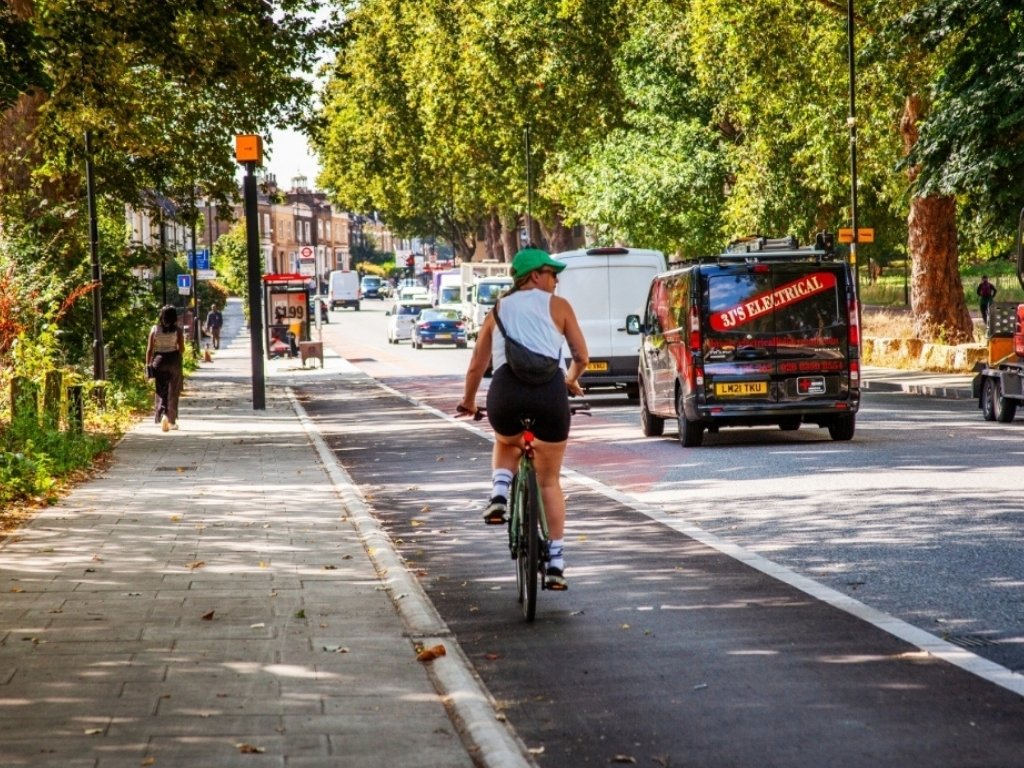
After being identified as a popular route for cyclists, work was required to realise the full potential of the Dalston to Lea Bridge safe cycling route.
However, delivering a scheme of this scale presented several challenges. Firstly, with works spanning several busy roads across the borough, it was essential that Marlborough maintained safe and continuous access for pedestrians and vehicles throughout the scheme’s duration.
In addition to ensuring all works were completed efficiently and to programme, environmental considerations were also a key priority, with the company putting measures in place to reduce the impact of operations on the surrounding area.
Solution
Marlborough elected to deliver the Dalston to Lea Bridge safe cycling route in two main phases.
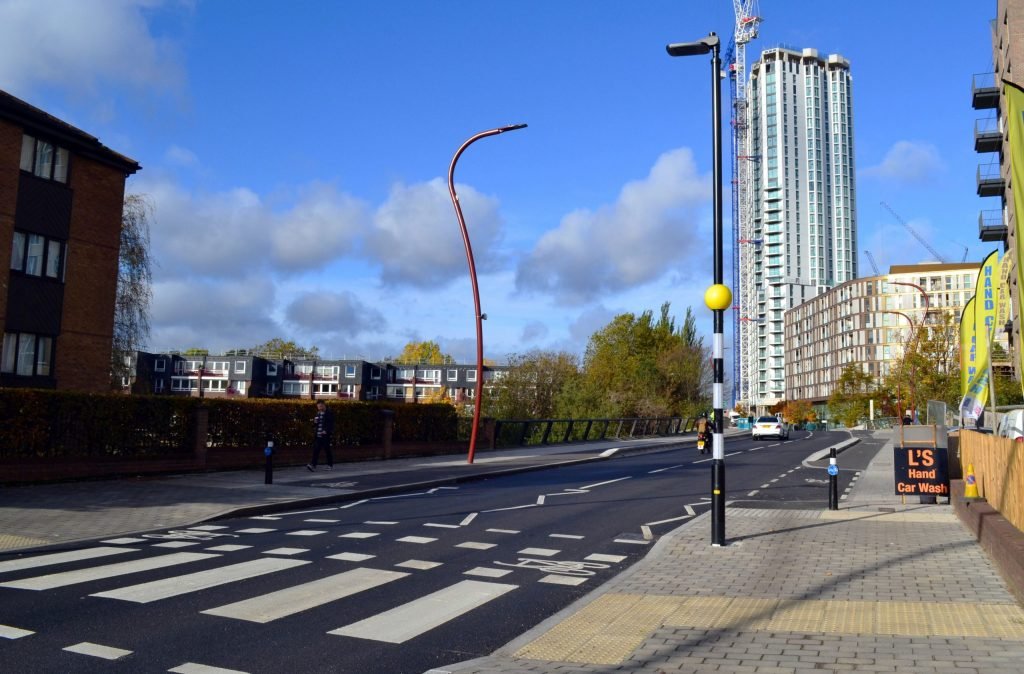
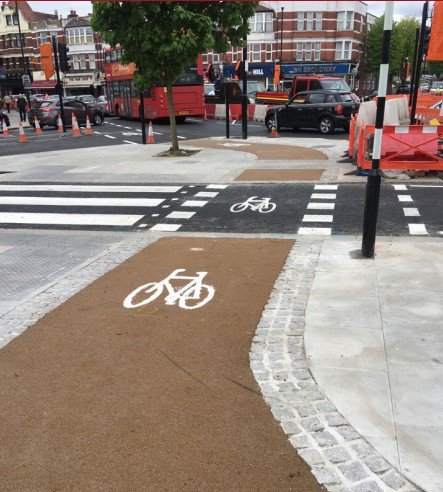
At the eastern end of the scheme, a segregated westbound cycle track was built on Lea Bridge Road, running from the Waltham Forest boundary to Lea Bridge Roundabout. To facilitate these changes, bus lanes were modified, existing stops were removed, and two new floating bus shelters were added. Additional mini zebra crossings were also put in place to ensure safe pedestrian access across the cycle track.
Banned turns from Lea Bridge Road into Chatsworth Road were also added for greater safety, alongside a brand-new road surface, refurbished pathways and blended crossings. An ArborRaft system was also implemented by operatives to protect the road’s 125-year-old London Plane trees.
On the western side, Marlborough connected Cycleway 23 with Transport for London’s Cycleways 1 and 27. This involved creating 210 metres of low-level planting, both to improve drainage and visual appeal, alongside the installation of a new segregated eastbound cycle track. Refurbished footways and a raised entry treatment at John Campbell Road were also implemented by the team.
To create space for a parallel zebra crossing and upgraded traffic signals, parking was removed from the northern side of Crossway. These changes enabled a safer two-stage cycle sequence with early release for cyclists — further enhancing safety and flow for all road users.
Fact file
Client: Hackney Council
Date: August 2023 – February 2024
Value: £1.6m
Project:
- Installation of segregated cycle tracks
- Construction of crossings
- Refurbishment of existing footways
- Creation of new low-level planting
- Marking of roadways and footpaths
- Implementation of ArborRaft systems
- Reconfiguration of bus stops and bus lanes
“Expanding London’s cycleway network and enabling more Londoners to cycle is essential to a more sustainable future for London.
This new C23 route between Lea Bridge and Dalston will make it much safer and easier for Londoners to walk and cycle, supporting the Mayor’s aim for a greener, safer London for all.”
Will Norman, London’s Walking and Cycling Commissioner
Results
Since opening in February 2024, Cycleway 23 has become a vital connection for the community, significantly improving links for people travelling on foot or by bicycle.
By encouraging active travel, the route is expected to support better public health outcomes and reduce emissions — key goals for TfL, the borough and the wider city. These benefits build on Hackney’s ongoing efforts to create safer, greener streets; an initiative that has enabled over 50km of protected or low-traffic walking and cycling routes to be built in the borough since 2019.
The completion of Cycleway 23 also allowed the London Borough of Hackney to retain its position as London’s top-performing borough for cycling in the 2024 Healthy Streets Scorecard – an accolade that recognised the authority’s commitment to sustainable transport.














“One of the things I value most is their very collaborative and transparent team culture. It makes a big difference to have a contractor that wants to work closely with us and is supportive and responsive. With Marlborough, I get a team who are attentive, work collaboratively and honestly with me and don’t lose focus on delivering first class communications and compliance.”
“From the design stage, Marlborough has been fundamental in delivering the Broad Lane Square improvements scheme. During the works, not only did the team manage to keep to the programme, but they went the extra mile to ensure attention to detail and came up with innovative solutions to address issues encountered on site. My thanks on behalf of Haringey goes out to Marlborough for their dedication to deliver.”
“Working alongside our Term Service Contractor Marlborough Highways, we successfully completed renovations to the Crowstone Footbridge. The designs were provided by Marlborough, and the work was unique. The scheme was completed to budget and ahead of its programme duration.”
“I would like to thank you and your team for your efforts, the Marlborough crews were professional, courteous, and hard working all day and ensured the event went without a hitch. You and the team were a credit to the company, demonstrating commitment and support to the London Borough of Barking and Dagenham.”
“I just wanted to say what a pleasure it has been to work with Marlborough Highways over the last six months. The quality of work is superb, and there has been some excellent collaboration between Milestone and Marlborough to complete, what at times, has been quite a challenging scheme. I hope to work with Marlborough on another project in the near future.”
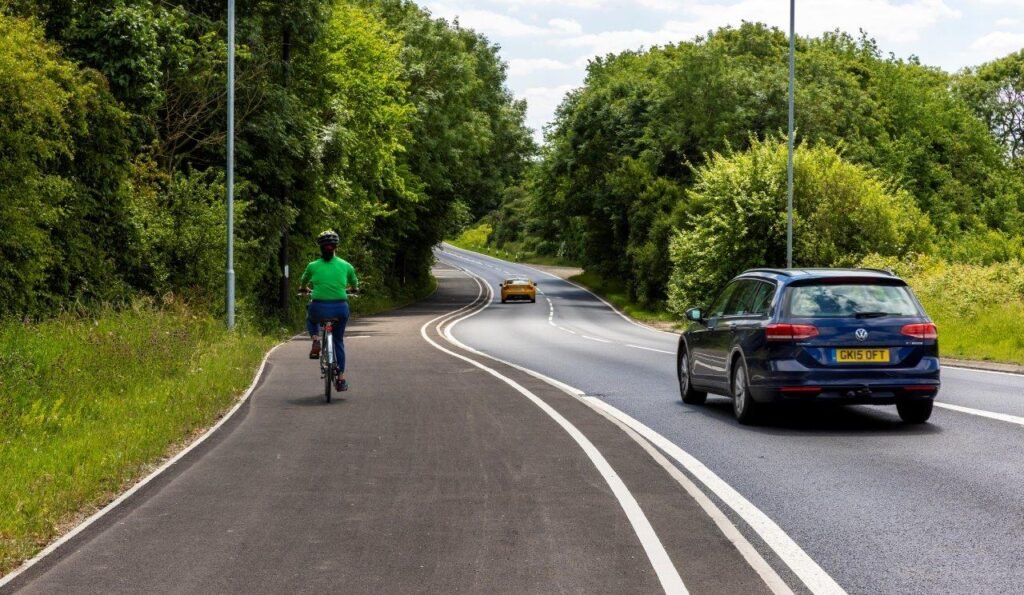
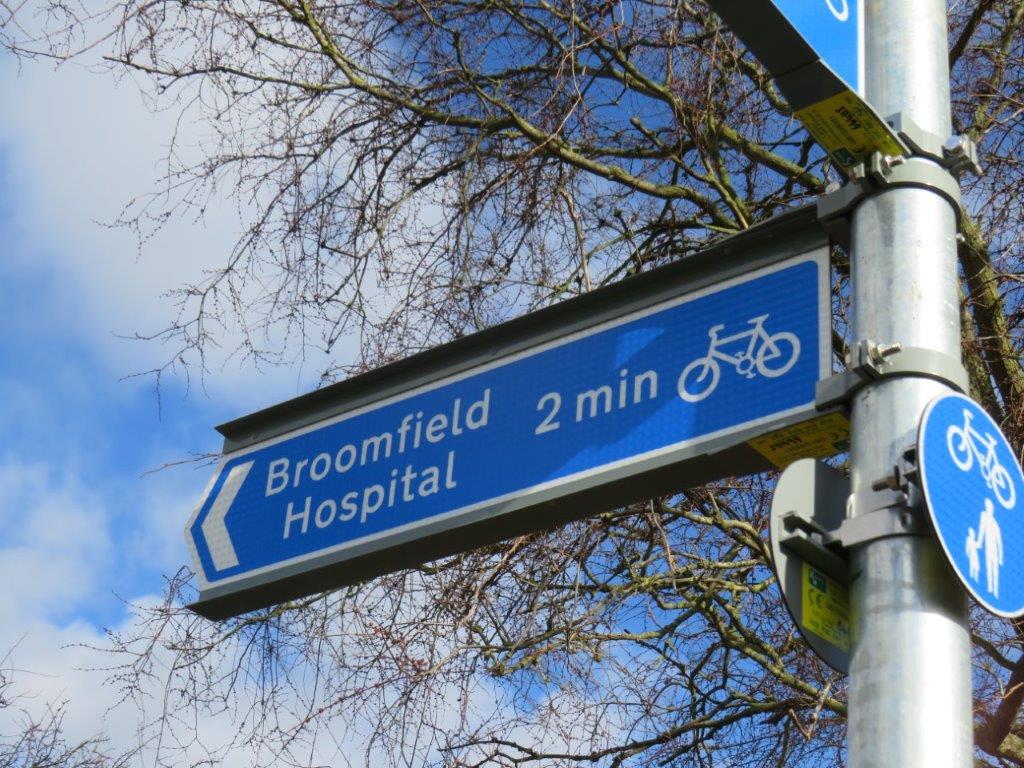
“Marlborough worked with us in constructing a 1.3km cycle track. There were a number of technical difficulties to overcome, and their gifted foreman worked to propose some innovative solutions to the challenges we faced. The result is a facility that the locals are proud of, providing walkers and cyclists with alternative access to the hospital and nearby school. The scheme was a lot of hard work, but well worth it.”
“Marlborough attracts people who take care and have pride in their work. Several gangs of Operatives worked tirelessly for six months to reconstruct drainage networks, lay more than 3km of high quality bespoke granite kerbs and granite channels blocks to ensure positive drainage. The technical compliance, attention to detail and level of quality finish along the entire carriageway was exceptional”.
“We saw huge benefits in appointing Marlborough as our full service contractor and we’re impressed – they’ve delivered consistent high quality service and superior quality control across every project. Marlborough, provide us with a ‘one-stop’ shop solution – we get the same quality of service and better control across all aspects of the project.”
Please see our privacy notice for more information on how Marlborough Highways Ltd take care of your details.