
Overview:
Marlborough Highways delivered a series of natural flood management interventions within Belfairs Woods and Hadleigh Great Wood, Southend-on-Sea, on behalf of Southend-on-Sea City Council.
The works formed part of the Catchment to Coast programme and involved the installation of six leaky dams along a 500m stretch of the Prittle Brook. Marlborough worked alongside the Council, Essex Wildlife Trust, and the Environment Agency to deliver the works within a sensitive woodland environment.


The approach
Marlborough Highways installed six leaky dams along a 500m section of the Prittle Brook, comprising five timber structures and a trial mycelium dam.
The timber dams were formed using coppiced sweet chestnut sourced directly from Belfairs Woods, reducing the need for imported materials and limiting disruption on site. Logs were fixed between driven timber posts, with each structure designed to allow normal water flow at low levels while holding back higher flows during heavy rainfall.
Materials were cut and moved along existing woodland paths, with small plant and hand tools used to install the dams. The presence of a gas main running through the site required careful coordination of working areas, alongside maintaining safe public access throughout the works.
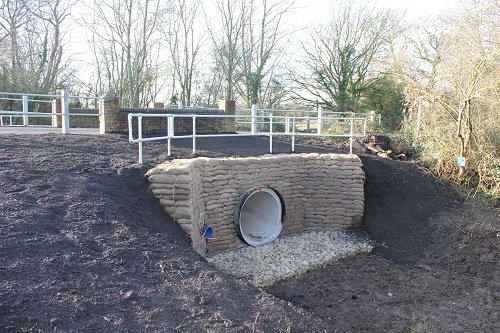
A trial mycelium dam was also installed using hessian sacks filled with mycelium, a natural fungal material. This approach is being trialled to explore how mycelium performs within natural flood management to improve water quality and how it interacts with water flow.
Client feedback
“This installation represented a first for us in Southend and provided a valuable learning experience for all those involved. Marlborough’s flexibility and proactive support in delivering this work were instrumental in helping us achieve a key project objective.
As we continue to monitor the performance and effectiveness of these leaky dams over time, we will gain further insight into their benefits. It is anticipated that the success of this initiative will open up further opportunities to implement similar nature-based solutions, supporting sustainable flood management.”
The challenge
During periods of heavy rainfall, water moves quickly through the woodland, placing pressure on downstream drainage networks and increasing flood risk to nearby communities. The Council required an upstream intervention that could slow the movement of water without altering the natural character of the site or introducing hard engineered structures.
The works were delivered within a Site of Special Scientific Interest (SSSI), requiring strict ecological protection and regulatory approvals. Construction was limited to a winter programme to avoid the bird breeding season, with completion required before early March 2026. Access constraints, ongoing public use of the woodland, and nearby utility infrastructure meant plant movements and construction activities had to be carefully planned and closely managed throughout the works.
The outcome
Marlborough’s works introduced a series of upstream interventions to slow the flow of water through the woodland during heavy rainfall, helping to reduce pressure on downstream networks.
Using natural materials sourced from Belfairs Woods, the dams were installed with minimal disruption to the site and now hold back higher flows while allowing normal water movement to continue.
The scheme forms part of the wider Catchment to Coast programme, with ongoing monitoring planned to inform future phases.




















“One of the things I value most is their very collaborative and transparent team culture. It makes a big difference to have a contractor that wants to work closely with us and is supportive and responsive. With Marlborough, I get a team who are attentive, work collaboratively and honestly with me and don’t lose focus on delivering first class communications and compliance.”
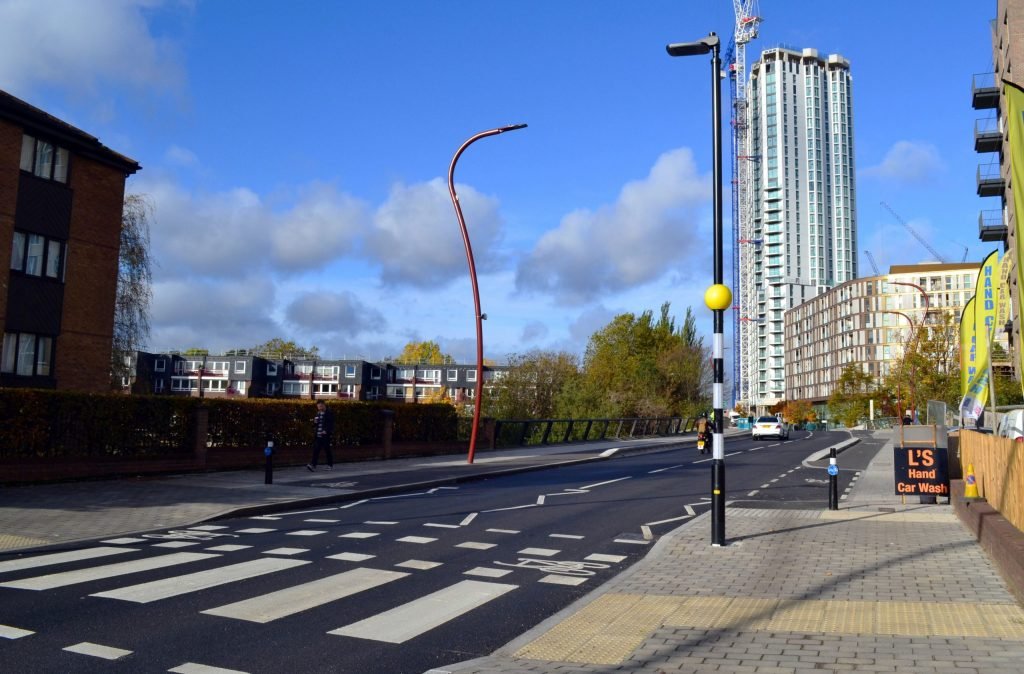
“From the design stage, Marlborough has been fundamental in delivering the Broad Lane Square improvements scheme. During the works, not only did the team manage to keep to the programme, but they went the extra mile to ensure attention to detail and came up with innovative solutions to address issues encountered on site. My thanks on behalf of Haringey goes out to Marlborough for their dedication to deliver.”
“Working alongside our Term Service Contractor Marlborough Highways, we successfully completed renovations to the Crowstone Footbridge. The designs were provided by Marlborough, and the work was unique. The scheme was completed to budget and ahead of its programme duration.”
“I would like to thank you and your team for your efforts, the Marlborough crews were professional, courteous, and hard working all day and ensured the event went without a hitch. You and the team were a credit to the company, demonstrating commitment and support to the London Borough of Barking and Dagenham.”
“I just wanted to say what a pleasure it has been to work with Marlborough Highways over the last six months. The quality of work is superb, and there has been some excellent collaboration between Milestone and Marlborough to complete, what at times, has been quite a challenging scheme. I hope to work with Marlborough on another project in the near future.”
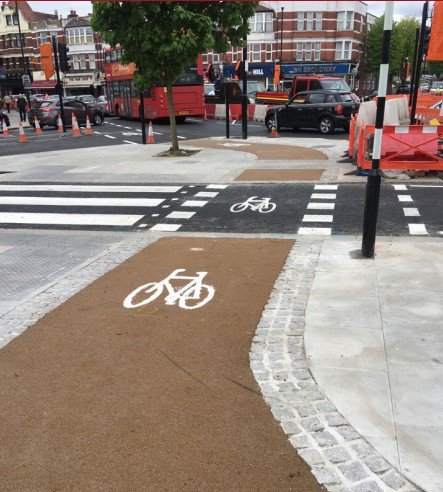
“Marlborough worked with us in constructing a 1.3km cycle track. There were a number of technical difficulties to overcome, and their gifted foreman worked to propose some innovative solutions to the challenges we faced. The result is a facility that the locals are proud of, providing walkers and cyclists with alternative access to the hospital and nearby school. The scheme was a lot of hard work, but well worth it.”
“Marlborough attracts people who take care and have pride in their work. Several gangs of Operatives worked tirelessly for six months to reconstruct drainage networks, lay more than 3km of high quality bespoke granite kerbs and granite channels blocks to ensure positive drainage. The technical compliance, attention to detail and level of quality finish along the entire carriageway was exceptional”.
“We saw huge benefits in appointing Marlborough as our full service contractor and we’re impressed – they’ve delivered consistent high quality service and superior quality control across every project. Marlborough, provide us with a ‘one-stop’ shop solution – we get the same quality of service and better control across all aspects of the project.”
Please see our privacy notice for more information on how Marlborough Highways Ltd take care of your details.